
Water is the quiet enemy of every home. It rarely announces itself with drama; instead it seeps, drips, and pools until a small problem becomes a large, expensive one. The good news is that most water damage is entirely preventable with a little routine attention.
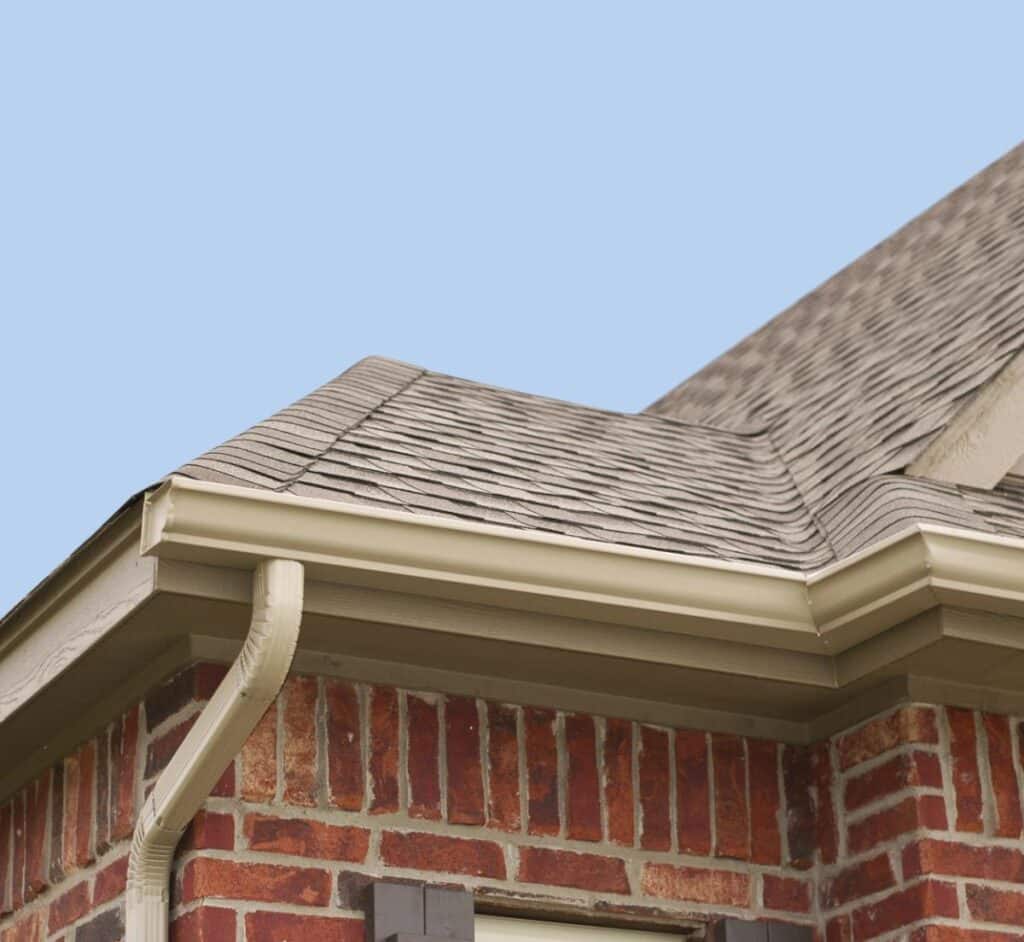
Protecting a home starts at the roofline and works down to the foundation. Keeping rainwater moving away from the house, with well-maintained gutters from a company like Urban Seamless Gutters, is one of the single most effective steps a homeowner can take. This guide walks through a practical, room-by-room plan.
Why Is Water Damage So Common?
The scale of the problem surprises most people. Water damage is any harm caused when unwanted water reaches the materials of a building, from the roof to the foundation. It is one of the most frequent home insurance claims filed each year.
The causes are everywhere. Burst pipes, blocked gutters, roof leaks, and poor drainage all let water in where it does not belong. Many of these start small and hide for months before they surface.
Cost is the real sting. A single serious leak can cause thousands of dollars in structural and cosmetic damage, and insurers do not always cover gradual damage that a homeowner could have caught. Prevention, by contrast, usually costs very little and takes only a few hours a year. That lopsided math is why a small routine pays off so heavily over the life of a home.
How Does Water Get Into a Home?
Understanding the entry points is half the battle. A short list covers the usual suspects.
- The roof. Missing or damaged shingles let rain seep into the attic.
- Gutters. Clogged or missing gutters spill water against the walls.
- The foundation. Poor grading pushes water toward the basement.
- Plumbing. Aging pipes and worn seals leak behind walls.
- Windows and doors. Failed caulking lets driving rain inside.
Weather multiplies the risk. Guidance on flood safety shows how quickly heavy rain can overwhelm a poorly protected home. Even a modest storm moves a remarkable amount of water.
What Can You Do Outside the Home?
The exterior is your first line of defense. Start at the top, because a roof in good repair keeps the largest surface of your home watertight. Replace missing shingles promptly and clear debris after storms.
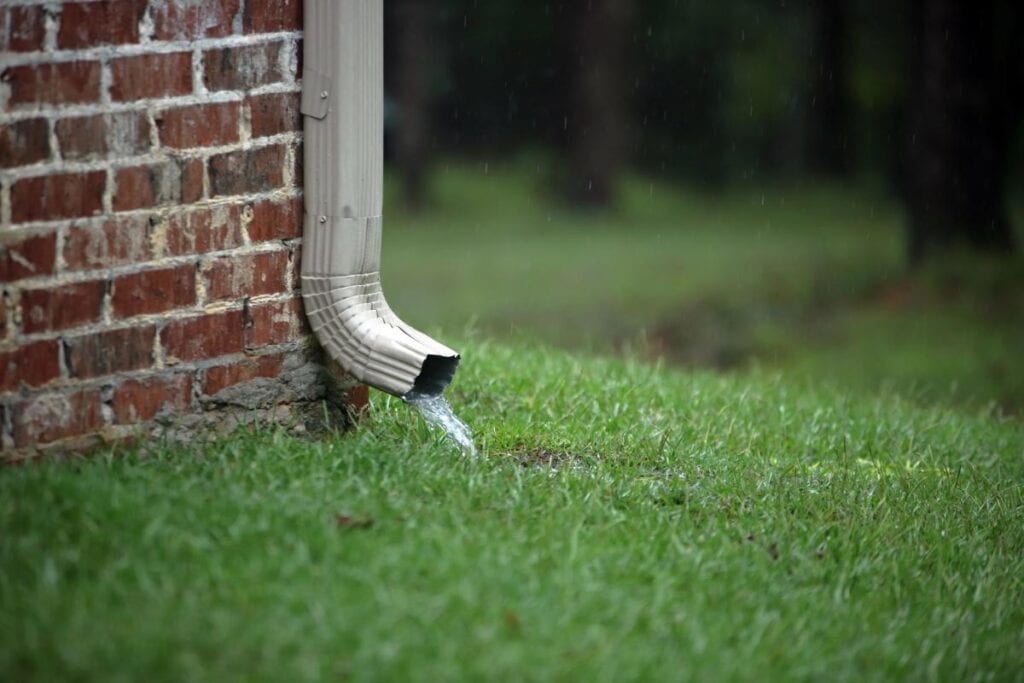
Gutters do the heavy lifting. A gutter is a channel along the roof edge that collects rainwater and directs it to downspouts, away from the house. An inch of rain on a 1,500 square foot roof sheds nearly 900 gallons, so this system matters enormously.
Grading finishes the job. The soil around a home should slope away from the foundation, ideally dropping about 6 inches over the first 10 feet. Downspouts should extend several feet from the wall so water never pools at the base. If you notice puddles hugging the foundation after rain, that is a clear sign the grading or drainage needs attention before the next storm arrives.
What About Inside the Home?
Indoor habits matter just as much. Check under sinks, around toilets, and behind appliances every few months for the early signs of a slow leak. A small stain today can prevent a collapsed ceiling later.
Know where your shutoff is. Everyone in the household should know how to turn off the main water supply in an emergency. That single piece of knowledge can save a home during a burst pipe.
Watch the humidity too. Mold is a fungus that grows on damp surfaces and can affect both the home and your health. Advice on mold stresses keeping indoor humidity down and drying any wet materials within 24 to 48 hours.
What Are the Hidden Risks of Moisture?
Some damage stays out of sight for a long time. Moisture behind walls or under floors can rot structural timber before anyone notices. By the time it shows, the repair is often major.
Health is part of the picture. Damp conditions encourage mold and mildew, which can trigger allergies and breathing problems. A dry home is a healthier home for the whole family.
Unwanted visitors follow water too. Standing water and damp corners attract pests, from mosquitoes to rodents, that are drawn to any reliable source of moisture. Keeping the home dry removes the very conditions they need to thrive.
How Do You Build a Simple Prevention Routine?
Consistency beats intensity here. A short seasonal checklist keeps small tasks from piling up.
- Spring and fall. Clean gutters and downspouts thoroughly.
- After storms. Inspect the roof, walls, and foundation for damage.
- Monthly. Check under sinks and around appliances for leaks.
- Yearly. Reseal windows, doors, and any worn caulking.
Make it manageable. Learning how to take the stress out of home maintenance turns these tasks into a simple habit rather than a dreaded chore. Small, regular effort is far easier than a big emergency.
Systems help too. Building water checks into your broader household management routine means nothing gets forgotten. A calendar reminder is often all it takes.
What to Keep In Mind
- Water damage is common, costly, and almost always preventable.
- Roofs, gutters, foundations, and plumbing are the main entry points.
- An inch of rain on a 1,500 square foot roof sheds nearly 900 gallons.
- Grade soil to slope away from the foundation, about 6 inches over 10 feet.
- Dry wet materials within 24 to 48 hours to prevent mold.
- A simple seasonal routine prevents most expensive problems.
Keeping Your Home Dry and Sound
Protecting a home from water damage is not about grand projects, but about steady, simple habits. Keep the roof sound, the gutters clear, and the ground sloping away, and you head off the vast majority of problems before they start. A dry home protects both your family’s health and your biggest investment.
FAQ
What Is the Most Common Cause of Home Water Damage?
Blocked or missing gutters and plumbing leaks are among the most common causes. Both let water reach materials that should stay dry. Regular gutter cleaning and periodic plumbing checks prevent most of these problems.
How Often Should I Clean My Gutters?
At least twice a year, usually in spring and fall. Homes with overhanging trees may need more frequent cleaning. Clogged gutters overflow and send water against the walls and foundation, so this task is a priority.
Can Small Leaks Really Cause Big Problems?
Yes. A slow, hidden leak can rot timber, ruin drywall, and grow mold over months before it becomes visible. Catching leaks early, by checking under sinks and around appliances, prevents costly structural repairs.
Does Water Damage Affect My Home’s Value?
Significantly. Visible stains, mold, and a history of leaks lower a home’s value and worry buyers. Keeping the home dry and well maintained protects both its condition and its resale price, and drying any wet materials within 24 to 48 hours stops mold before it starts.