
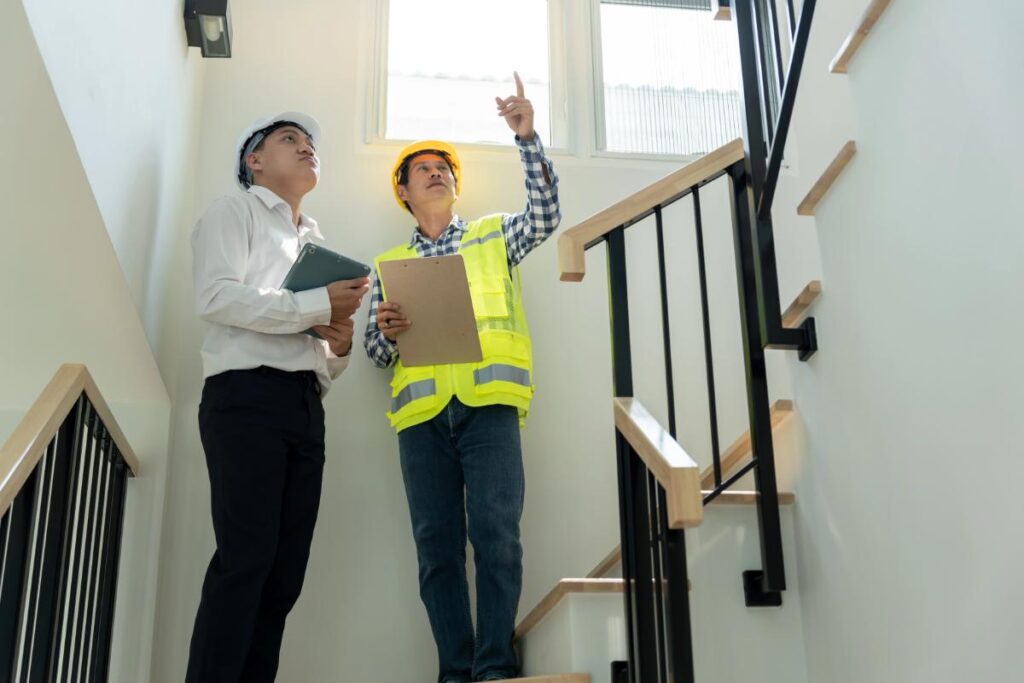
Homeowners in Sandy Springs, GA often think that home maintenance means fixing things only after they break. However, this is far from the truth. Homes usually provide plenty of warning before something goes wrong. The key is recognizing those clues before a minor repair becomes a major expense.
The local climate does not make home maintenance easy. Heavy rain, humid summers, mature trees, and clay-rich soil place extra stress on Sandy Springs homes. A consistent inspection routine helps homeowners identify problems early and avoid costly surprises.
For homeowners in Sandy Springs, Dunwoody, and nearby communities, the following warning signs deserve attention.
Key Takeaways
- Water stains, musty odors, and peeling paint often signal hidden moisture problems.
- Clay-heavy soil can contribute to sticking doors, cracks, and foundation movement.
- Rising utility bills may point to struggling HVAC equipment or aging appliances.
- Regular inspections make it easier to catch small issues before repair costs escalate.
Watch for Moisture Before It Spreads
A small yellow stain on the ceiling of a Sandy Springs home may appear after a storm and then disappear once the area dries. Although the stain may seem harmless, another heavy rain can reveal damaged flashing around a roof vent or another source of water intrusion. Addressing the problem early helps prevent damage to insulation, drywall, and other materials.
After every major storm, a homeowner should check the attic, ceilings, roof penetrations, and gutters. A five-minute inspection is far less disruptive than repairing widespread water damage.
Humidity creates another challenge for Sandy Springs homes. Properties near the Chattahoochee River regularly experience moisture, but persistent musty odors are not normal. An inexpensive hygrometer in a crawlspace can help a homeowner monitor humidity because indoor levels above 60 percent create conditions where mold can thrive. Running a dehumidifier or improving ventilation early is much easier than addressing mold growth later.
Do Not Ignore Structural Changes
Sticky doors and windows do not always indicate foundation problems. During Georgia’s humid summers, wood naturally expands. However, when a door becomes harder to close throughout the year or several doors begin sticking at the same time, the pattern deserves further investigation.
Cracks require the same attention. Small hairline cracks in drywall are common as a home settles, but wider or diagonal cracks around doors and windows should be monitored. A homeowner can mark and measure questionable cracks every few months instead of relying on memory. A growing crack signals that the home may need a professional evaluation.
Pay Attention to Utility Bills
Sometimes a Sandy Springs home’s first warning sign appears on the monthly utility bill.
When an electric bill increases without a clear reason, the homeowner should look for the cause before assuming that higher rates are responsible. A clogged HVAC filter, failing water heater, or refrigerator that runs constantly can quietly increase energy use long before the equipment stops working.
For example, a refrigerator in a Sandy Springs home may run continuously during a stretch of 90-degree weather. The appliance may appear ready for replacement, but a technician may instead diagnose a failing condenser fan and repair it before a complete breakdown occurs. This example shows that a professional diagnosis often costs far less than unnecessarily replacing equipment. A homeowner experiencing similar problems can contact Appliance EMT for reliable appliance repair in Sandy Springs, GA before deciding that the appliance needs to be replaced.
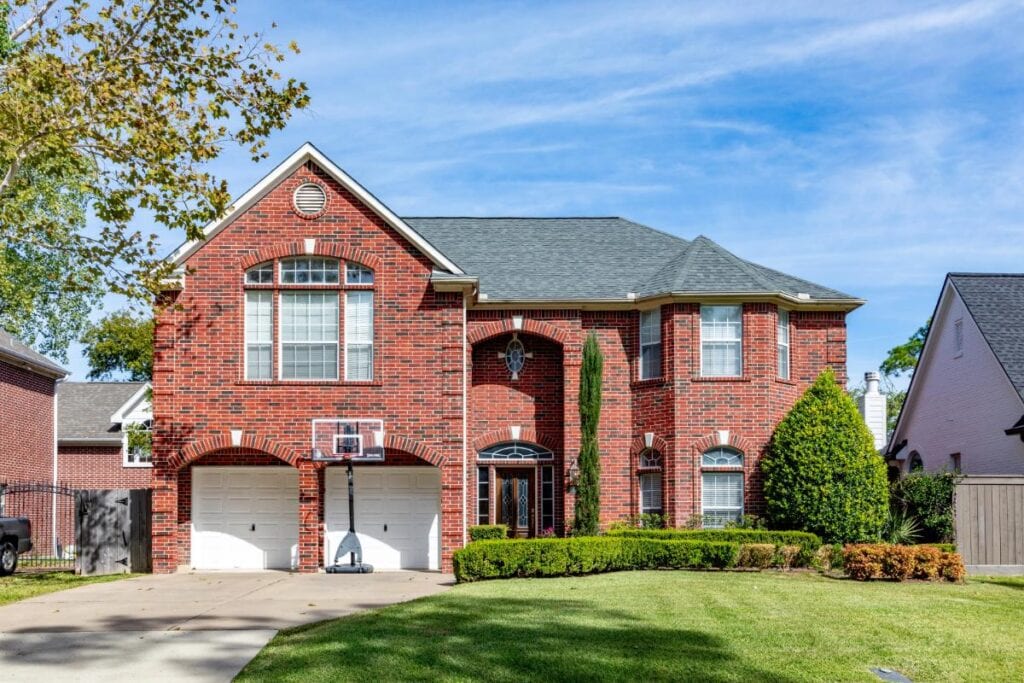
Why Sandy Springs Homes Need Extra Attention
Local conditions shape the way Sandy Springs homes age. Hot, humid summers place extra strain on cooling equipment, making seasonal maintenance especially important. Homeowners seeking to improve comfort while keeping energy costs under control can review these family HVAC comfort tips.
Whether the property is a single-family home, townhouse, or condominium, moisture management remains one of the most important parts of protecting it.
A Simple Routine That Helps Prevent Costly Repairs
Expensive home repairs rarely occur without warning. They often begin with small clues that appear harmless when viewed on their own.
Every few months, a Sandy Springs homeowner can spend about twenty minutes inspecting the attic, crawlspace, gutters, foundation, and areas beneath sinks. The homeowner should also pay attention to new noises, unusual odors, and changes in utility bills. Most inspections do not reveal a serious problem, but early detection makes a significant difference when an issue is present.
Frequently Asked Questions
How often should a Sandy Springs home be inspected?
A seasonal inspection every three months is usually enough for most homes. Homeowners should check moisture-prone areas, gutters, roofing, HVAC filters, and plumbing fixtures.
Do sticking doors always indicate foundation problems?
No. Seasonal humidity often causes temporary swelling, especially during summer. When the problem persists year-round or worsens over time, a qualified professional should evaluate the home’s foundation.
Does the Sandy Springs climate affect home maintenance?
Yes. Frequent rainfall, high humidity, clay-rich soil, and mature trees create maintenance challenges that homes in many other regions do not experience.
When should a homeowner call a professional?
Electrical issues, gas lines, significant plumbing leaks, foundation movement, and appliance problems that continue after basic troubleshooting should be inspected by qualified professionals.
Catch Small Problems Before They Grow
For Sandy Springs homeowners, successful homeownership is not about fixing every issue immediately. It is about noticing small changes before they become expensive emergencies. Water stains, musty odors, growing cracks, and unexplained energy bills are all signs that a home needs attention.
A simple inspection every few months helps homeowners stay ahead of repairs, protect their properties, and make homeownership far less stressful.