
Every child has roared like a dinosaur, building imaginary jungles in their backyard or turning playgrounds into prehistoric worlds. Pretend play isn’t just fun — it’s the foundation for creativity, critical thinking, and exploration. In a world where technology continues to blur the line between fantasy and reality, animatronic dinosaurs are transforming how children (and adults) experience learning.
These lifelike robotic creatures are no longer limited to theme parks. They’ve become powerful tools for museums, schools, and entertainment spaces to spark imagination and curiosity about science, history, and the natural world. Through realistic movement, sound, and storytelling, an animatronic dinosaur bridge play and discovery — creating experiences that are both educational and unforgettable.
The Power of Pretend Play
Why Pretend Play Matters
Pretend play helps children make sense of the world. By imagining scenarios — whether building a Jurassic park out of sand or exploring as paleontologists — they learn communication, collaboration, and problem-solving. According to child development experts, imaginative play fosters creativity, emotional intelligence, and social understanding.
Why It Matters:
- Traditional learning methods often lack hands-on engagement.
- Parents and educators struggle to connect screen-time play with real-world exploration.
- Museums and learning spaces need interactive exhibits to keep audiences engaged.
From Imagination to Discovery
Pretend play isn’t confined to childhood. It’s the foundation of innovation itself. When imagination meets technology — such as in animatronic dinosaur exhibits — play transforms into discovery. Children begin to ask questions: How do these creatures move? What did they eat? Why did they go extinct? These questions led to a lifelong curiosity for science and history.
Bringing Dinosaurs to Life: The Role of Animatronics
What Are Animatronic Dinosaurs?
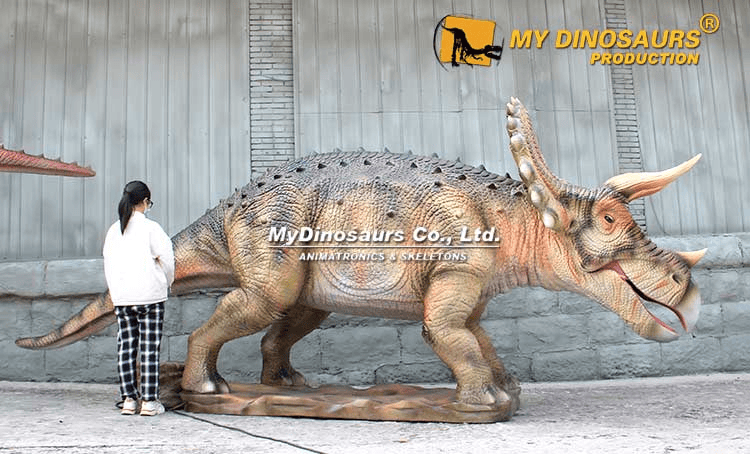
Animatronic dinosaurs are life-sized robotic models designed to mimic the appearance and behavior of real prehistoric animals. Using motors, sensors, and realistic skins made from flexible materials, these dinosaurs can move, blink, breathe, and roar just like their ancient counterparts.
| Component | Function |
| Servo Motors | Control smooth, lifelike movement |
| Sensors | Trigger sound and motion responses |
| Sound Systems | Recreate authentic dinosaur roars |
| Silicone Skins | Add texture, color, and realism |
The Science Behind the Roar
Behind every lifelike dinosaur is a team of engineers, artists, and programmers. Motion control systems manage natural movement patterns, while sound design adds immersive audio effects. The result: an interactive encounter that feels both thrilling and educational.
Learning Through Realistic Encounters
The Educational Impact
When children interact with animatronic dinosaurs, they’re not just watching — they’re participating. Museums and science centers worldwide use these experiences to teach about evolution, paleontology, and Earth’s history. Research shows that interactive exhibits increase learning retention by over 60% compared to passive observation.
Bridging Science and Imagination
Realistic models provide context that textbooks can’t. When a child stands beneath a towering animatronic T. rex, they understand scale, biology, and anatomy in a tangible way. Story-driven exhibits combine STEM education with emotional engagement — sparking a love of science that lasts beyond the exhibit hall.
Where Pretend Meets Reality
Museums and Science Centers
Institutions like the Natural History Museum in London and the Smithsonian use animatronic dinosaur displays to turn education into exploration. Through guided tours, children touch, observe, and learn — transforming playtime into a real-world science lesson. These exhibits allow visitors to connect scientific facts with tangible experiences, deepening their understanding of life on Earth millions of years ago.
Theme Parks and Family Attractions
Beyond museums, theme parks use animatronics to combine entertainment and learning. These realistic creatures turn simple rides or shows into immersive, story-driven experiences where fun meets factual accuracy. Families not only enjoy the thrill but also gain subtle educational insights about prehistoric ecosystems and species behavior.
Classroom and Home Learning
Technology is bringing the prehistoric world into classrooms and homes. Small-scale animatronic kits and augmented reality apps help children design, build, and understand the mechanics behind their favorite dinosaurs. By blending creativity with hands-on STEM principles, young learners develop both imagination and practical problem-solving skills.
The Psychology of Realism
Why Realistic Motion Matters
Realistic movement triggers emotional engagement. The human brain reacts instinctively to motion patterns that mimic life. This psychological connection makes animatronic dinosaurs more than exhibits — they become teachers, storytellers, and companions in learning. When visitors perceive these movements as authentic, they’re more likely to remember what they’ve seen and retain scientific information long after the experience ends.
Inspiring Curiosity Beyond the Exhibit
When play feels real, learning becomes lasting. Children inspired by animatronic dinosaurs often continue exploring through books, documentaries, and science kits. They transition from play-based curiosity to real-world discovery — exactly what educators aim for. This spark of fascination often grows into a deeper interest in science, history, and technology, shaping the next generation of explorers and innovators.
Sustainability and Innovation
Building a Greener Jurassic World
Modern animatronic design focuses on sustainability. Manufacturers are shifting to eco-friendly materials, energy-efficient motors, and modular parts that reduce waste. This ensures that educational experiences remain responsible as well as inspiring.
The Future of Learning Technology
The next generation of animatronic dinosaurs will integrate AI, sensors, and augmented reality to create adaptive learning environments. These innovations will allow exhibits to respond dynamically to visitor behavior, offering personalized educational journeys.
Conclusion
From backyards to museums, the spirit of play drives human discovery. Animatronic dinosaurs represent the perfect blend of imagination and innovation — transforming how we learn, connect, and explore. They remind us that play is not just entertainment; it’s the gateway to understanding the world.
As technology evolves, the line between pretend and reality continues to blur, opening doors to new ways of learning and experiencing the past. When creativity, curiosity, and science come together, the result is nothing short of prehistoric magic — where imagination truly meets discovery.