

Most families think of cleaning day as a fight against dust, crumbs, and general clutter, not as pest control. But a surprising number of the household bugs and rodents that show up uninvited are drawn in by exactly the same conditions a regular cleaning routine already targets: crumbs on the counter, standing water, cluttered corners, and cracks that never get checked. Keeping a tidy home is one of the simplest and cheapest ways to keep pests out in the first place, and when a problem does slip past that routine, calling a professional such as Clear Defense Pest Control for an inspection is a far better next step than reaching for whatever spray is under the sink.
Pests are not picky, but they are efficient. They gravitate toward the easiest available food, water, and shelter, and a home that consistently removes those three things becomes a much less attractive target than one that only gets a deep clean once a season. This is good news for busy families, since it means the habits that already make a home more pleasant to live in are doing double duty as a pest deterrent.
The Everyday Habits That Matter Most
Wiping down counters after meals and sweeping up crumbs before bed removes the food sources that draw ants, cockroaches, and other kitchen pests in the first place. Taking the trash out regularly, in a sealed container rather than an open bin, cuts off one of the most reliable food sources flies and rodents rely on. Storing dry goods like cereal, flour, and pet food in airtight containers instead of their original bags or boxes keeps pantry pests from spreading once they arrive.
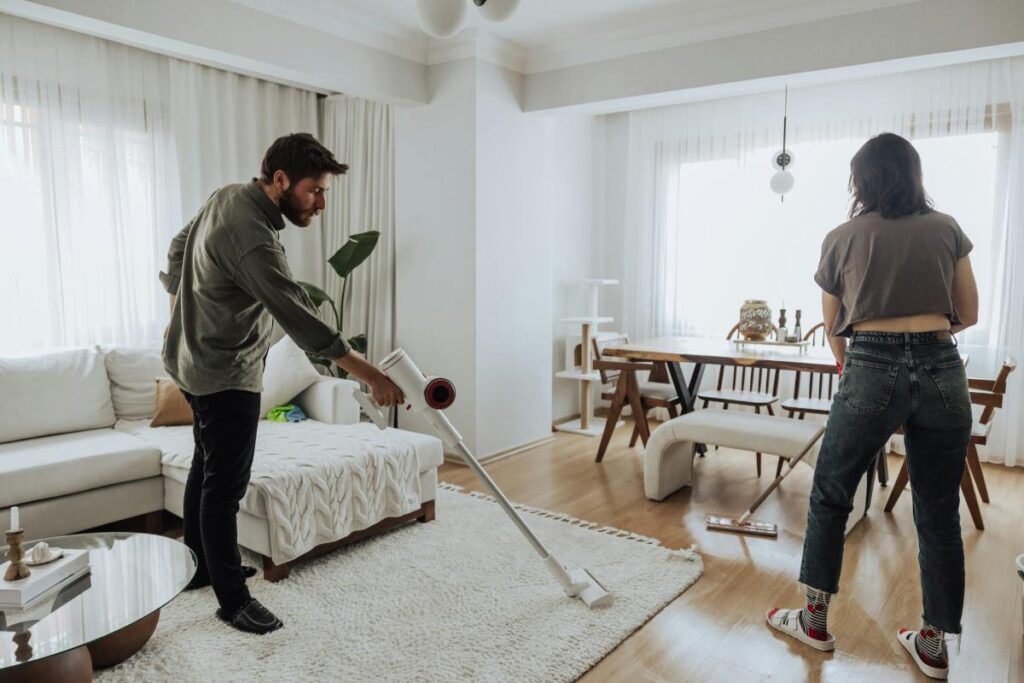
Fixing small leaks under sinks and around appliances removes the standing moisture that cockroaches, ants, and even some rodents seek out, since almost every common household pest needs a reliable water source to survive. Vacuuming regularly, including under furniture and along baseboards, disrupts the kind of undisturbed corners where pests prefer to nest. None of these tasks require special tools or extra time beyond what a normal cleaning routine already involves, which is exactly what makes them so effective long term.
What the Pros Recommend
The table below breaks down some of the most common household pests and the cleaning habit that does the most to keep each one away.
| Pest | Most Effective Prevention Habit |
| Ants | Sealing cracks and cleaning up crumbs and spills |
| Cockroaches | Vacuuming frequently and storing food in airtight containers |
| House flies | Sealed trash removal and clear kitchen counters |
| Bed bugs | Washing linens and inspecting furniture and luggage seams |
According to the National Pest Management Association’s guide to pest-proofing during a deep clean, sealing cracks and crevices, eliminating standing moisture, and keeping food sealed and surfaces clear address the majority of the conditions that invite common household pests indoors. The NPMA also notes that cockroaches in particular are rarely a solo problem, since spotting even one usually means several more are hiding out of sight.
Building It Into a Routine That Actually Sticks
Pest prevention works best as a habit rather than a one-time event, which means it fits naturally into whatever cleaning schedule a family already follows rather than requiring a separate system. Adding a quick check of window screens, door sweeps, and foundation cracks to a seasonal deep clean catches small entry points before they become a real problem, and takes only a few extra minutes once it becomes part of the routine. Families juggling a full home maintenance calendar can find more seasonal upkeep ideas in this home maintenance resource hub, which covers everything from quick fixes to full seasonal checklists alongside pest-relevant topics like moisture control and exterior upkeep.
A home does not need a special pest-prevention system on top of everything else already on the to-do list. It just needs the basics done consistently: food put away, trash sealed, moisture controlled, and small cracks caught early. That alone keeps most uninvited guests from ever showing up.