
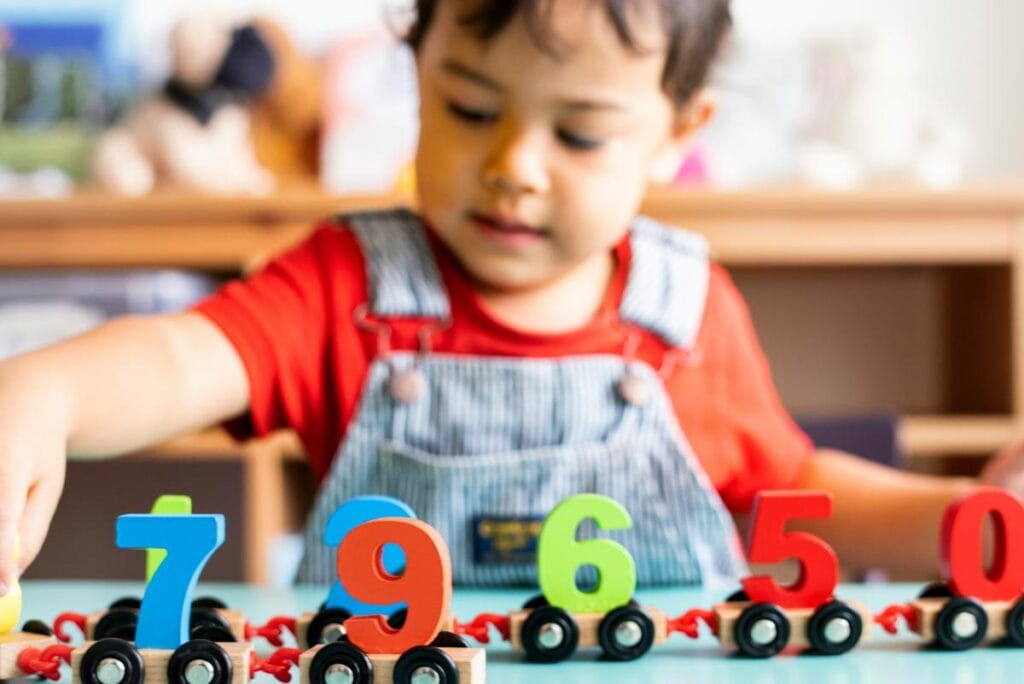
If you’ve ever watched a group of preschoolers play, you’ve probably noticed something funny. A cardboard box can become a rocket ship before breakfast, a grocery store by lunchtime, and a pirate ship a few minutes later. The adults see a pile of art supplies and building blocks. The children see endless possibilities.
That imagination has a purpose. Families looking for a preschool in Parker, CO, often ask about reading, writing, and kindergarten readiness, and those questions make sense. At the same time, some of the most meaningful learning happens when children don’t even realize they’re learning. That’s what makes play such an important part of the preschool years.
It Looks Like Play, but There’s Much More Going On
Walk into a preschool classroom for a few minutes, and you might think children are simply having fun. One group is building with blocks. Someone else is mixing pretend soup in a toy kitchen. Across the room, two friends are arguing over who gets to be the veterinarian while another child patiently waits for a turn with the paintbrushes.
It may look like a collection of unrelated activities, but they’re connected in surprising ways. While children are playing, they’re making decisions, solving little problems, talking through disagreements, and learning that their ideas aren’t always the only ones in the room. Those are lessons that are difficult to teach with flashcards.
Play Gives Children Room to Figure Things Out
Adults naturally want to help. When a puzzle piece doesn’t fit or a tower keeps falling over, it’s tempting to jump in with the answer. Preschool teachers know there are moments when it’s better to wait. Sometimes children simply need another minute.
That extra time gives them a chance to think differently, ask a friend for help, or try a new approach. Even when they don’t succeed right away, they’ve learned something valuable about sticking with a challenge instead of giving up. Those small experiences build confidence one day at a time without children feeling like they’re being tested.
Every Child Finds Their Own Way to Learn
Spend enough time in a preschool classroom, and you’ll notice something else. The child who loves reading books may not be the one who enjoys messy art projects. Another child could spend half an hour building train tracks but lose interest after five minutes of drawing. Someone else may prefer pretending to run a bakery with friends.
None of those approaches is better than another. Play-based learning gives children opportunities to explore their interests while teachers gently introduce new ideas along the way. A favorite activity often becomes the starting point for learning something completely different. That’s one reason preschool classrooms rarely look the same from one day to the next.
Teachers Are Part of the Adventure
People sometimes imagine play-based learning means children are left to entertain themselves all day. That’s rarely the case. Experienced teachers are constantly paying attention. They ask questions that encourage children to think a little deeper. They notice when someone is struggling and help them. Sometimes they introduce a new book, an interesting object, or a simple challenge that allows children to learn more through play, sending activities in a completely different direction.
Most of the time, children don’t even realize those moments are carefully guided. They simply feel like they’re having another good day at preschool.
The Best Learning Doesn’t Always Feel Like Learning
Many adults can still remember a favorite teacher from childhood. Few remember every worksheet they completed. Young children are much the same. Years from now, your child probably won’t remember exactly how many block towers they built or how many pretend meals they served in the classroom kitchen. They may, however, remember how exciting it felt to discover they could solve a problem on their own, help a friend, or create something they were proud of.
That’s why play matters so much during the preschool years. It gives children the freedom to explore, make mistakes, laugh, ask questions, and keep trying. Along the way, they’re building much more than academic skills. They are building curiosity and confidence, friendships, and a real joy about learning that will go far beyond preschool.