
Good pasture management calls for adequate planning, monitoring, and knowledge of how livestock utilizes available land. Livestock needs enough room for grazing, good sources of water and forage to be healthy and productive. With proper planning of movement and utilization of available pasture by the livestock farmers can minimize land pressures, maintain healthy grass, and make their farms easier to run. Livestock planning is also important to help farmers plan for seasons ahead and make better decisions concerning the state of their pastures.
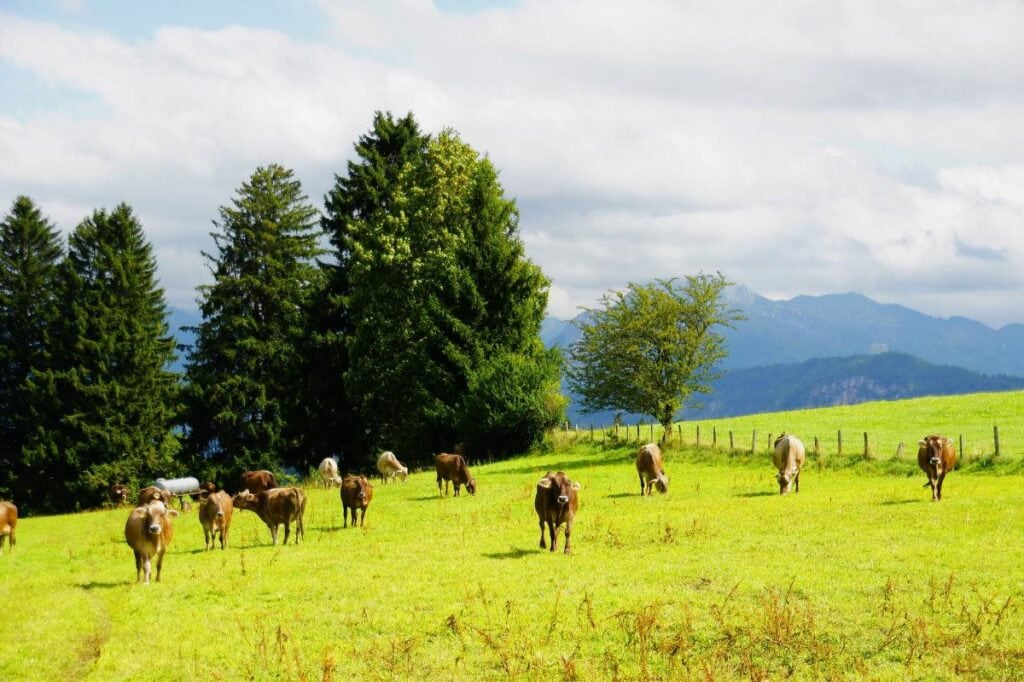
Understanding Livestock Needs
Pasture management must consider the needs of the animals that utilize the pasture lands. The amount of cattle kept on the farm, their ages, size and nutritional needs determine the area required for grazing. When the number of cattle kept on a limited land space is very high, they might feed on the vegetation at a rate faster than it can regenerate. This will result in exposed soils and less forage, thus making the task of ensuring proper grazing difficult. The farmer must know how many cattle each piece of land can accommodate before allocating the animals.
The needs of the livestock may vary from one season to another. Growing animals, reproducing livestock and adult animals have different needs, and this will impact how they can be allocated to different pieces of pastures. Keeping track of the livestock body condition, grazing habits and general well-being will help to identify if the pastures allocated to them meet their needs or not.
Organizing Pastures for Rotational Grazing
Rotational grazing is an efficient method of pasture management since it provides a period of recovery for the land after grazing by cattle. Rather than letting cattle graze in the same big piece of land all the time, farmers subdivide their land into grazing parcels and rotate animals. Grazing rotations provide an opportunity for grass recovery and help prevent overgrazing. A good rotation schedule facilitates the assessment of the forage situation and determines when each section can be grazed by cattle again.
Grazing rotation planning must include the size of pastureland, the rate of grass recovery, weather conditions, and herd needs. Different parcels may recover differently from each other, especially in case of differences in precipitation and soil on the land. It would be wrong to adhere to the set schedule in case the available forage does not meet its requirements. Regular inspection helps determine how long the cattle should stay at one place and if they need to be moved to another section.
Maintaining Reliable Water Access
Access to water is one of the important considerations in planning pasture land for cattle since the animals require regular access to fresh and clean water all through the day. Poorly located water sources result in wastage of time as the cattle would waste a lot of time moving from grazing areas to water sources. This could have effects on the distribution of cattle within the pasture and cause concentrated grazing in particular areas. The farmers should consider accessibility to water in the design of grazing zones.
Provision of appropriate cattle waterers ensures there is reliable water for the animals at various locations in the pasture. These waterers should be designed in such a way that they allow the animals to access water in a way that does not result in congestion and destruction of ground through animal movement. The farmers should examine the water sources periodically to look out for any leaks, build-up, or mechanical issues.
Monitoring Soil and Forage Conditions
Pastures are known to thrive under ideal soil conditions and steady forage growth. Frequent grazing, high levels of livestock traffic, and inadequate drainage might lead to poor soil structure and decreased ability of grass to grow. In order to be aware of the problems mentioned above, farmers have to look for erosion, soil compaction, exposed roots and vegetation depletion within grazing areas. In such a way, it is going to be easier to rearrange the movements of livestock before the situation worsens.
Moreover, the quality of forage is an important factor that is to be considered when making plans for livestock management. Various types of grass and pasture plants have different nutrient content and their availability is not constant through the growing season. Thus, the height and growth pattern of the grass might serve as indicators of whether grazing area is capable of feeding livestock anymore. It is also possible to improve the productivity of pastures by reseeding, weed removal and resting periods.
Preparing for Seasonal Changes
Seasonal planning enables farmers to keep pastures in constant condition, considering that the weather can impact grass and the livestock. In warmer seasons, the combination of high temperatures and lack of rain can slow down vegetation growth while at the same time increasing the cattle’s need for water. Farmers might have to lessen the grazing pressure, offer shade for cattle, or move their stock to the area where there is enough forage.
In winter, the problem is related to frozen pastures, which might not be accessible, along with problems with water provision. At this point, it would be useful to think about the amount of feed that must be stored, depending on the season, when it is harder to graze livestock due to slower grass growth. It might be beneficial to prepare all the equipment before winter comes.
Keeping Accurate Livestock Records
Accurate recording of data can assist in pasture planning because of the ability of farmers to learn how their decisions impact their livestock and the land they graze on. Recording of information on herd sizes, grazing dates, recovery periods and availability of forages is beneficial during future rotation of pastures. Farmers are able to compare performance from various parts of the farm to determine the suitability of certain areas. This way, the problems that exist continuously can be easily observed and addressed.
The livestock data can assist farmers to monitor the progress of animals with respect to health and productivity. Changes in the body condition of the cattle, their weight and their behaviors give an indication of their well-being and the resources they need. In addition, recording information on the veterinary work, the breeding process and the feeding of cattle is important in decision-making.
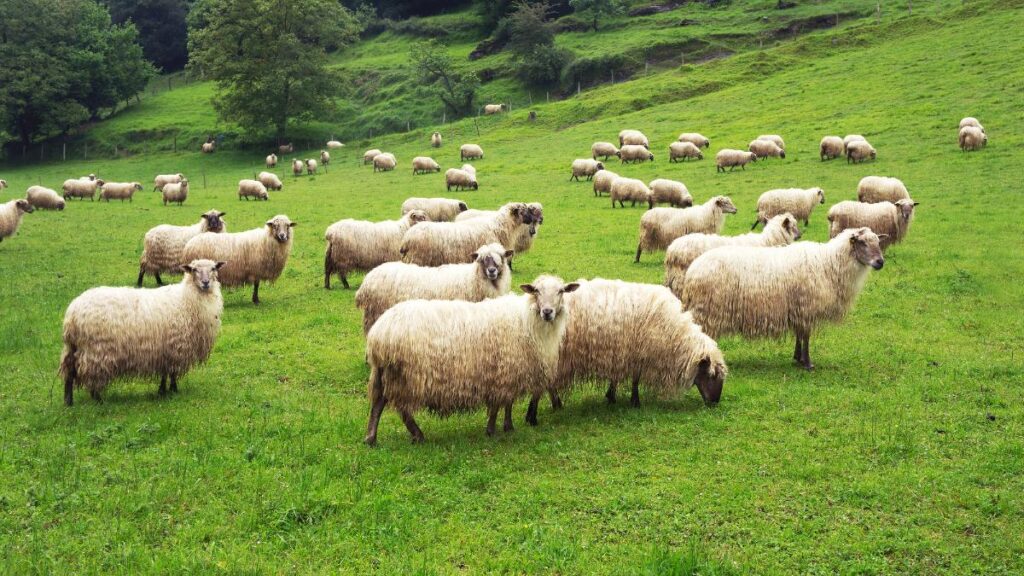
Enhancement in pasture management through proper planning of livestock calls for a balanced consideration of grazing, water provision, soil conservation, and other preparations according to the season. Farmers who have knowledge about the requirements of their livestock and keep track of the condition of their pasture are capable of making appropriate plans related to the movement of livestock and utilization of land. Pasture rotation, water provision and farm record keeping are all elements that lead to a more organized process.