
Meal planning can sound like a lot of work, but it does not have to involve color-coded spreadsheets, complicated recipes, or a big Sunday cooking session. The real benefit is much simpler: knowing what you are going to eat makes busy weeknights easier, helps you make better use of what is already in the kitchen, and can keep unnecessary spending at the supermarket in check.
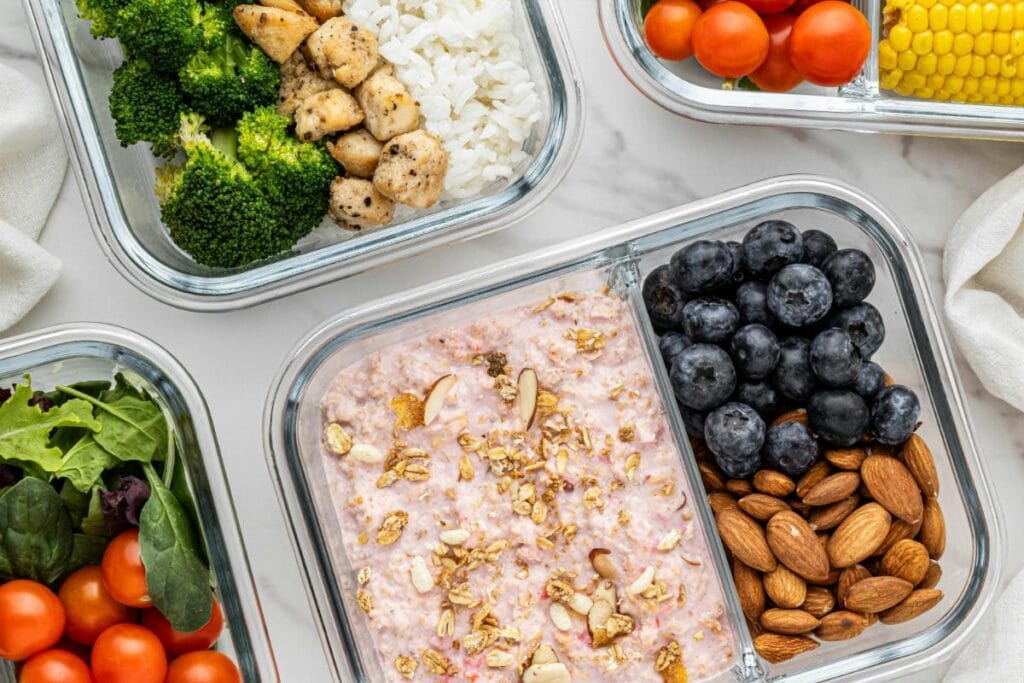
A good meal plan should give you a bit of structure without locking you into seven perfectly planned dinners. That might mean stocking up on affordable staples, planning meals that share ingredients, making enough for leftovers, or keeping a greens powder on hand for mornings when there is no time to make a proper breakfast. The aim is to make your week easier and your food budget go further, not to create another chore to keep up with.
Start With What You Already Have
Before writing a grocery list, check your refrigerator, freezer, and pantry. Look for items that need to be used soon, such as vegetables, cooked grains, opened sauces, or frozen proteins. These ingredients should become the starting point for your meals.
For example, if you have half a bag of rice, frozen chicken, and a few carrots, you already have the base for a stir-fry, soup, or rice bowl. Planning this way prevents food waste and reduces the number of new items you need to buy.
Keep a simple “use first” list on your phone or refrigerator. When you see spinach, yogurt, tortillas, or cooked pasta that needs attention, write it down. This makes it easier to build meals from what is already available.
Choose a Simple Weekly Formula
Instead of inventing seven completely different dinners, use a repeatable formula. This saves time and helps you shop more efficiently. A weekly plan might look like this:
– One pasta or grain bowl night
– One soup, stew, or chili night
– One sheet pan meal
– One taco, wrap, or sandwich night
– One leftovers night
– One slow cooker or one-pot meal
– One easy freezer or pantry meal
This structure gives you direction without making meals feel repetitive. You can change flavors each week while keeping the planning process familiar.
Cook Ingredients, Not Just Full Meals
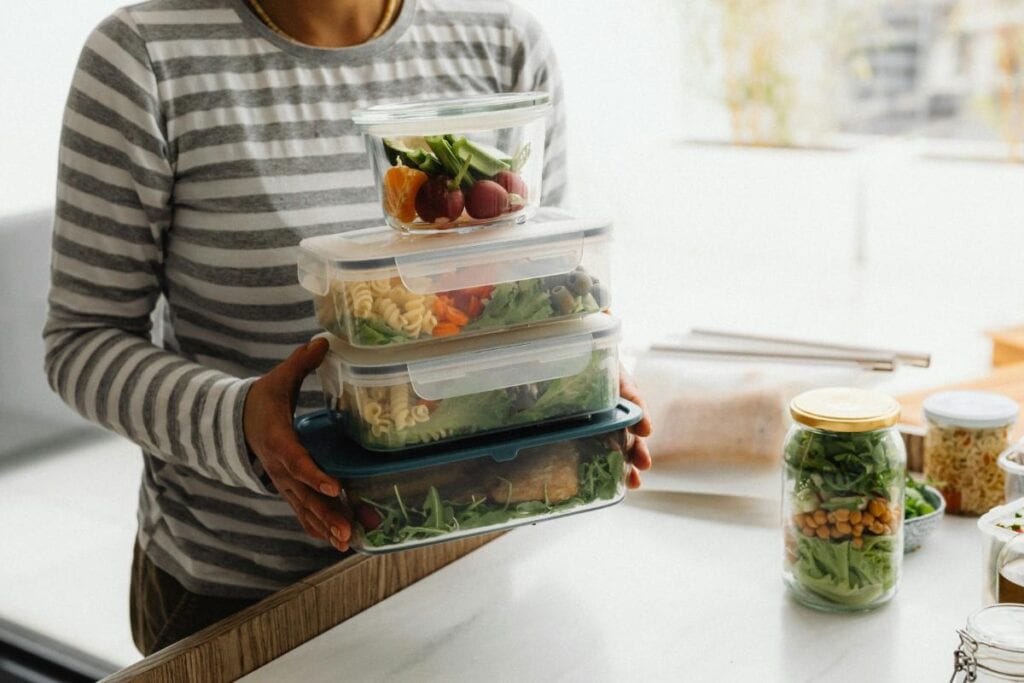
Meal prep often sounds like making five identical containers of food, but it does not have to work that way. A more flexible approach is to prepare ingredients that can be mixed and matched during the week.
Try cooking a pot of rice, roasting a tray of vegetables, washing lettuce, boiling eggs, or preparing a simple protein like shredded chicken or beans. These basics can become burrito bowls, salads, soups, wraps, or quick dinners.
This method also helps avoid boredom. Instead of eating the same meal every day, you can combine prepared ingredients in different ways with sauces, spices, or toppings you already own.
Plan Around Low-Cost Staples
Affordable staples are the backbone of budget-friendly meal planning. Items like oats, eggs, beans, lentils, rice, pasta, potatoes, canned tomatoes, frozen vegetables, and peanut butter can stretch meals without stretching your budget.
Build your grocery list around these dependable ingredients, then add fresh produce and protein based on sales. For example, beans can bulk up tacos, lentils can replace some ground meat in sauce, and frozen vegetables can make soups and casseroles more filling.
Buying store brands, larger bags of staples, and seasonal produce can also help you save without sacrificing quality.
Make Leftovers Part of the Plan
Leftovers should not be an accident; they should be part of your strategy. When cooking dinner, make extra portions on purpose. Leftover roasted vegetables can go into an omelet, rice can become fried rice, and extra chicken can turn into sandwiches or soup.
Schedule at least one leftovers night each week. This gives you a break from cooking and helps clear out the refrigerator before your next grocery trip. If your household does not enjoy eating the same meal twice, repurpose leftovers into something slightly different.
Keep a Short List of Emergency Meals
Busy nights happen, even with a good plan. Instead of ordering takeout, keep a few emergency meals ready. These should be meals you can make in 15 to 20 minutes with ingredients you usually have.
Good options include pasta with jarred sauce and frozen vegetables, quesadillas, scrambled eggs and toast, tuna melts, baked potatoes, or quick soup from broth, canned beans, and vegetables.
Having these backups removes pressure and keeps your meal plan from falling apart when life gets hectic.
Shop With a Focused List
Once your meals are planned, write a grocery list organized by section: produce, protein, dairy, pantry, frozen, and household items. A focused list helps you avoid impulse purchases and duplicate ingredients.
Before checking out, review your cart and ask whether every item has a purpose. If something does not fit into your weekly meals or household needs, consider putting it back.
Keep It Realistic
The best meal plan is one you can actually follow. If you know certain nights are busy, plan easier meals for those days. If you dislike cooking in the morning, prep breakfast ahead. If your family loves familiar meals, repeat them.
Simplifying weekly meal planning is not about doing more. It is about making better use of your time, ingredients, and money. With a flexible plan, a practical grocery list, and a few reliable meals, you can eat well all week without spending more.