
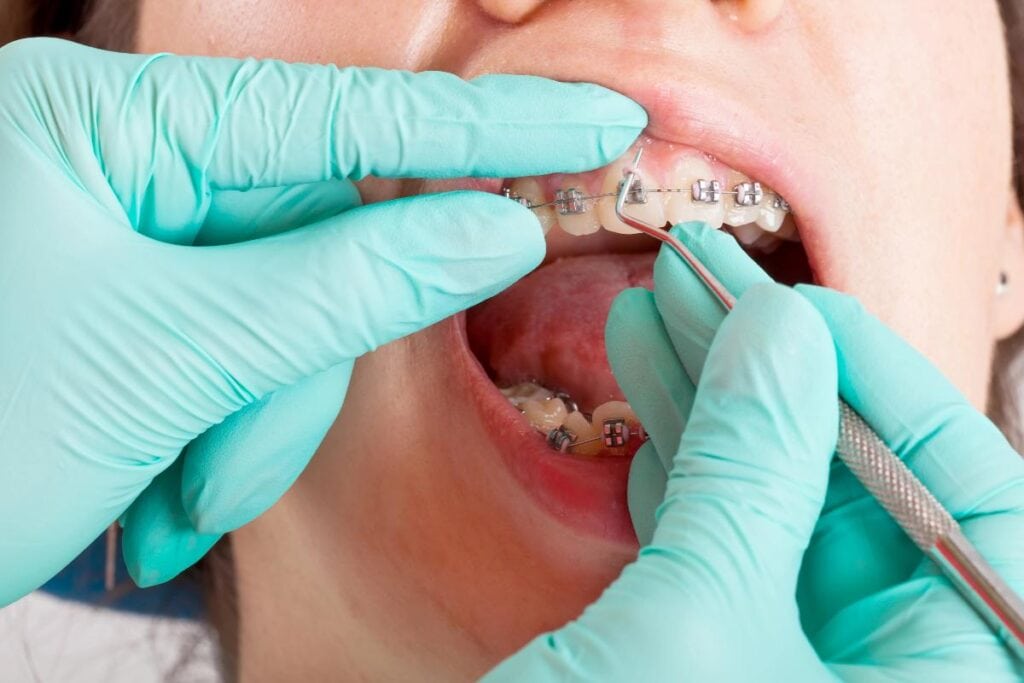
Getting braces is a major milestone for many teenagers, but the adjustment period can come with emotional and physical challenges. As a parent, knowing how to support your teen through this process can make all the difference between a stressful experience and a smooth, successful orthodontic journey. Whether your child is just starting treatment or a few months in, there are plenty of practical strategies you can use to help them thrive.
Understanding What Your Teen Is Going Through
Before you can help, it’s important to empathize with what your teenager is actually experiencing. Braces for kids and teens involve more than just physical discomfort — there’s also a social and emotional dimension that parents often underestimate.
Physical Discomfort Is Real
In the first few days after getting braces, and after each adjustment appointment, your teen will likely experience soreness and sensitivity. The brackets and wires put pressure on the teeth to gradually move them into alignment, and this process can cause mild to moderate pain. It’s not just about tolerating discomfort — it can affect your teen’s ability to eat, speak clearly, and focus at school.
The Emotional Side of Orthodontic Treatment
Teenagers are acutely aware of their appearance, and braces can trigger self-consciousness. Your teen may worry about being teased, feel embarrassed smiling in photos, or struggle with confidence during social situations. Acknowledging these feelings — rather than dismissing them — is the first step toward helping your teen build resilience throughout treatment.
Practical Tips to Help Your Teen Adjust
There are many ways you can make the adjustment to braces for kids and teenagers easier at home and beyond. Here are some of the most effective strategies.
1. Stock the Kitchen with Braces-Friendly Foods
One of the most immediate ways to support your teen is by making sure the kitchen is stocked with foods that are comfortable to eat and safe for braces. After adjustments, soft foods are a lifesaver. Consider keeping these on hand:
- Yogurt and smoothies
- Mashed potatoes and soft-cooked vegetables
- Scrambled eggs and soft cheeses
- Pasta and rice dishes
- Applesauce and soft fruits like bananas
- Ice cream or frozen yogurt (a great treat after a tough adjustment day!)
Avoiding hard, crunchy, or sticky foods is essential during treatment. Help your teen understand that this isn’t just a rule — it protects their brackets and prevents delays in their treatment timeline.
2. Help Them Stay on Top of Oral Hygiene
Braces create more surfaces where food and plaque can accumulate, making proper oral hygiene more important than ever. Set up a brushing and flossing routine together and make sure your teen has the right tools, such as an orthodontic toothbrush, floss threaders or a water flosser, and fluoride toothpaste.
Encouragement goes a long way. Remind your teen that taking care of their teeth now will ensure those braces reveal a truly beautiful smile when treatment is complete.
3. Use Pain Management Techniques
Over-the-counter pain relievers like ibuprofen or acetaminophen can help manage soreness after adjustments. You can also suggest rinsing with warm salt water to soothe irritated gums. Orthodontic wax is a must-have for covering any brackets or wires that are causing irritation to the inside of the mouth.
Having a small “braces kit” ready — with wax, a travel toothbrush, flossers, and pain reliever — can help your teen feel more prepared and in control, especially at school or during activities.
4. Boost Their Confidence
Remind your teen that braces are temporary, but the results are permanent. Many celebrities, athletes, and influencers have proudly worn braces, and it’s worth pointing this out. Encourage your teen to focus on the end goal: a healthy, confident smile that will serve them for a lifetime.
If your teen is struggling socially, talk openly about it. Role-playing responses to teasing or awkward questions can help them feel more prepared and less anxious about social situations.
5. Attend Appointments Together and Stay Engaged
Showing up to orthodontic appointments with your teen signals that you take their treatment seriously and that you’re in it together. Use appointment days as an opportunity to ask questions, learn about progress, and celebrate milestones. When teens feel supported by involved parents, they’re more likely to comply with treatment guidelines and keep a positive attitude.
If you’re still in the process of choosing the right provider, it’s worth exploring options that specialize in braces for teens and children, where orthodontists have experience tailoring treatment plans to younger patients’ unique needs.
Making the Most of the Orthodontic Journey
The time your teen spends in braces is an investment — not just in their smile, but in their long-term oral health. Properly aligned teeth are easier to clean, less prone to wear, and can reduce the risk of jaw problems down the line. Helping your teen understand this bigger picture can shift their perspective from viewing braces as a burden to seeing them as a worthwhile process.
Celebrate Progress Along the Way
Orthodontic treatment for braces for kids and teens can take anywhere from 12 months to 3 years depending on the complexity of the case. That’s a long time for a teenager! Celebrate small victories — the first month complete, halfway through treatment, or when a particularly stubborn tooth finally moves into position. These milestones matter and help maintain motivation.
Encourage Open Communication
Make it clear that your teen can come to you with concerns, whether they’re physical (a wire poking their cheek) or emotional (feeling embarrassed at school). The more open the lines of communication, the faster you can address problems and the smoother the journey will be.
Keep the End Goal in Sight
Consider keeping a “before” photo somewhere visible so your teen can see how far they’ve come. When the braces finally come off, the transformation is often dramatic and deeply rewarding. Many teens report a significant boost in self-esteem and confidence once their treatment is complete — and that alone makes every moment of discomfort worth it.
Final Thoughts
Helping your teen adjust to braces for kids and teenagers doesn’t require a perfect plan — it requires patience, empathy, and consistent support. From stocking the kitchen with soft foods to showing up at every appointment, the small things you do as a parent add up to a big impact on your teen’s orthodontic experience. With the right mindset and the right support system, your teen can get through treatment with their confidence intact and emerge with a smile they’ll be proud to show off for the rest of their life.