
New parents read a lot of labels. And once you start looking into fabric choices for your baby, two names keep coming up: organic cotton and bamboo. Both get marketed as safe, gentle, and eco-friendly, which makes the decision harder than it needs to be. The truth is, they’re genuinely different materials with different strengths, and knowing those differences helps you buy smarter instead of just grabbing whatever has the most certifications on the tag. This article breaks down how each fabric is made, how it behaves against baby skin, and where each one tends to fall short.
Understanding What These Fabrics Actually Are
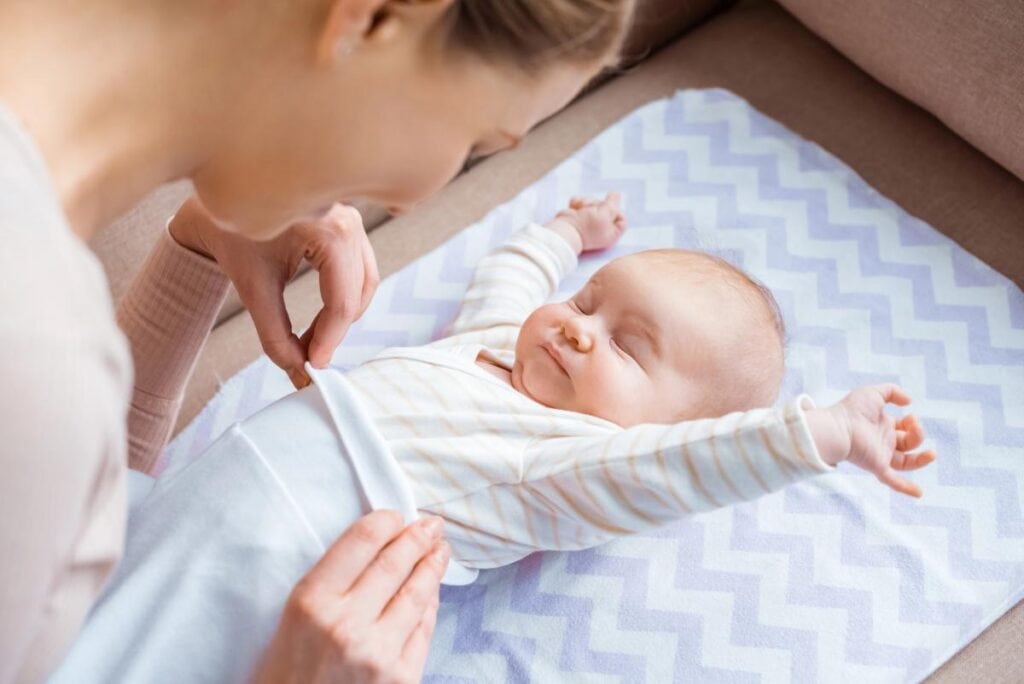
Before comparing them fairly, you need to know what each fabric actually is at a material level. Organic cotton is cotton grown without synthetic pesticides or fertilizers and processed without harsh chemical finishes – the same fiber you already know, just held to tighter standards. Parents who shop newborn organic cotton clothing are often drawn to it because the fiber itself is natural and unchanged from field to finished garment. Bamboo clothing is more complicated. Raw bamboo is a fast-growing grass, but turning it into soft fabric requires heavy chemical processing; most commercially sold “bamboo” baby clothes are actually bamboo viscose or bamboo rayon, meaning the original plant material has been dissolved and reformed as a synthetic fiber. A small share of bamboo fabric gets produced mechanically, which skips those chemicals – but yields a rougher, stiffer textile that’s rarely used in infant apparel. The processing method shapes how safe, soft, and durable the finished product is on a newborn’s skin.
What GOTS Certification Tells You About Organic Cotton
The Global Organic Textile Standard (GOTS) is the most trusted certification for organic cotton clothing, and it covers both the fiber and the entire production chain. A GOTS-certified garment has been audited at every stage – farming, spinning, dyeing, and finishing – so the “organic” claim on the label carries real weight. For baby clothes, GOTS restricts synthetic dyes, formaldehyde finishes, and azo colorants, all of which dermatologists have flagged as common irritants for sensitive infant skin. The dye restrictions are worth sweating over: conventional textile dyes don’t always wash out fully, and residues can trigger contact dermatitis in babies whose skin barrier isn’t fully developed. Organic cotton with GOTS certification gives you traceability and third-party verification, not just a brand promise. That’s a meaningful distinction when you’re buying for a baby who can’t tell you something is bothering them.
What “Bamboo” on a Label Usually Means
Bamboo viscose – sold under names like “bamboo rayon” or “bamboo lyocell” – is made by dissolving bamboo pulp in a chemical solvent bath (typically sodium hydroxide and carbon disulfide), then extruding it into fibers. The US Federal Trade Commission has been clear since 2010 that products made this way must be labeled as “rayon made from bamboo,” not simply “bamboo,” because the finished fiber shares almost nothing chemically with the original plant. But many brands still use the word “bamboo” in ways that are technically misleading. The resulting fabric can be genuinely soft and smooth; it’s a regenerated synthetic fiber, though, not a natural one. Some bamboo viscose garments carry OEKO-TEX Standard 100 certification, which tests the finished fabric for harmful residues, a reasonable safety signal. It’s a different kind of assurance than GOTS-certified cotton, which controls the entire supply chain rather than just the final product.
How Each Fabric Performs in Real Use
Knowing how a fabric is made matters, but parents also care about day-to-day performance, how soft it feels, whether it survives the wash, and how it handles the temperature swings that come with keeping a baby comfortable through naps, feeds, and outfit changes. Honestly, this is where the two fabrics genuinely diverge. Each has real advantages, and neither wins across every dimension. The right pick often depends on where you live, your baby’s skin type, and what you’re actually buying the garment for.
Softness, Breathability, and Temperature Regulation
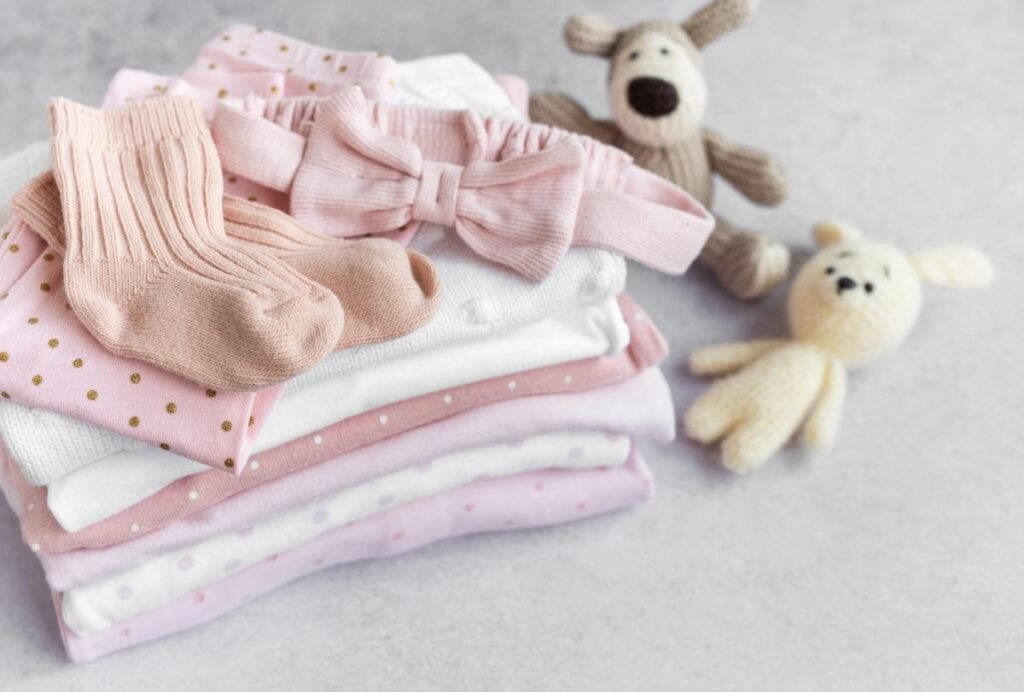
Bamboo viscose tends to win on first touch. Its smooth, round fiber structure gives it a silky feel that’s hard to match with standard woven cotton, and it’s naturally moisture-wicking – meaning it pulls sweat away from skin quickly. That’s useful in summer or for babies who tend to run warm. Here’s the thing, though: breathability in bamboo fabric depends heavily on the weave, and tightly knit bamboo garments trap heat almost as readily as synthetic blends. Organic cotton works differently. It absorbs moisture rather than wicking it, which feels distinct but works well in dry or air-conditioned environments where wicking isn’t the priority. Cotton interlock and jersey fabrics are well-tested across a wide range of climates for temperature regulation. Flat-seam construction in either fiber cuts the risk of pressure points and irritation – and for newborns, that construction detail often matters more than the fiber composition alone.
Durability, Washing, and Long-Term Value
Organic cotton outlasts bamboo viscose over repeated washes, and that gap only widens with high-heat laundry cycles. Bamboo viscose is prone to pilling, stretching out of shape, and breaking down faster under standard home washing conditions – especially with warm or hot water. Cotton holds its structure better, shrinks less after the first wash or two, and resists the fabric thinning that bamboo garments often show by the third or fourth month of regular use. That durability matters financially. Baby clothes get washed constantly, and a garment that pills or stretches after 20 washes isn’t real value, even at a lower entry price. So if you’re buying with longevity in mind – or hoping to pass clothes down between siblings- organic cotton holds a clear edge in this category.
Conclusion
The organic cotton vs. bamboo debate for baby clothes doesn’t have a single winner, but it has a clearer answer than most marketing suggests. Organic cotton, particularly when certified to GOTS standards, offers supply-chain transparency, well-documented safety standards, and better long-term durability. Bamboo viscose is soft and moisture-wicking, but it’s a processed synthetic fiber, and “bamboo” on a label tells you less than you’d think. For most parents buying for newborns and young infants, organic cotton’s verified safety record and washability make it the stronger everyday choice. Bamboo viscose has a place in warmer climates or for specific situations where moisture management matters most. Read the certifications, not the marketing language, and you’ll land on a choice you can feel good about.