
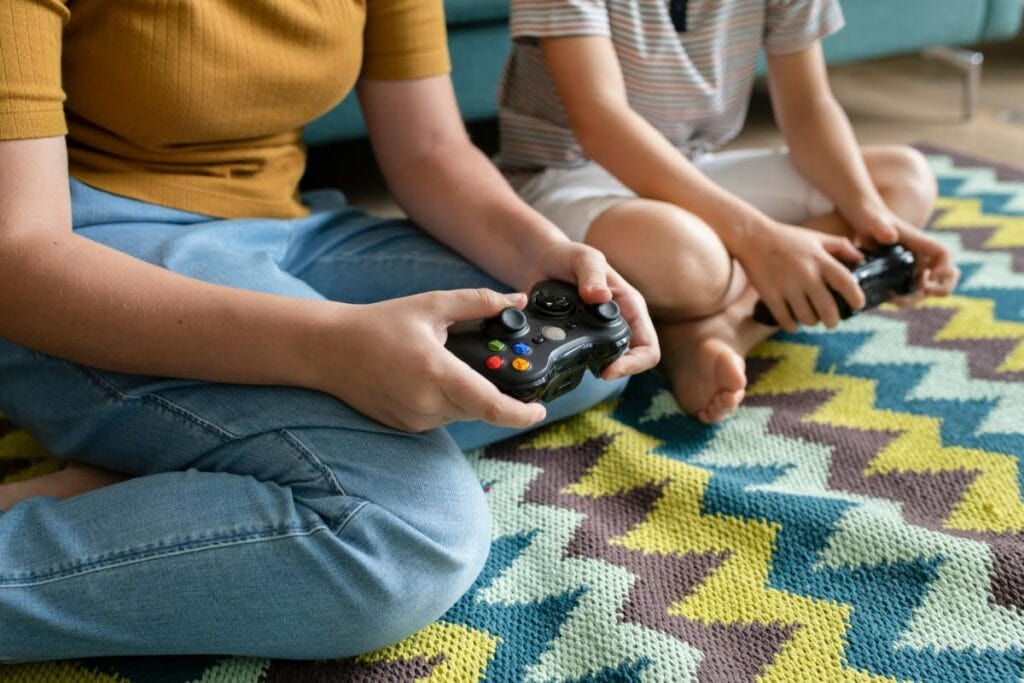
Your kid just told you they want to climb the ranked ladder in their favorite game. Maybe it is Fortnite, Valorant, Marvel Rivals, or League of Legends – the specific game matters less than what comes next. Suddenly, gaming is not just entertainment anymore. There are ranks to chase, skills to master, and an emotional investment that rivals any traditional sport.
As a parent, you are now navigating unfamiliar territory. How much practice is too much? When does healthy competition become unhealthy obsession? How do you support their passion without enabling habits that lead to burnout – theirs or yours?
The good news is that competitive gaming, when approached thoughtfully, can teach kids valuable skills like strategic thinking, teamwork, resilience, and time management. The challenge is finding the right balance.
Understanding What Your Kid Is Actually Doing
Before you can support your child effectively, you need to understand the competitive gaming landscape. Ranked modes in games like Marvel Rivals or Valorant place players in tiers based on skill – Bronze through Diamond, Grandmaster, and beyond. Your child is not just playing; they are competing against others at similar skill levels, trying to prove themselves and climb higher.
This creates a fundamentally different experience than casual gaming. Wins feel meaningful. Losses sting. Plateaus can be frustrating. And the desire to improve – to finally break through to the next rank – can become all-consuming if left unchecked.
When parents search for ways to help your child improve at ranked games, they will find everything from coaching services to tutorial videos to more questionable shortcuts. Understanding what resources exist – and which ones align with your values – is part of being an informed gaming parent.
Signs of Healthy vs. Unhealthy Competition
Not all competitive drive is created equal. Learning to distinguish healthy passion from problematic behavior helps you know when to encourage and when to intervene.
Healthy Signs
• They can stop playing when asked (even if they grumble)
• They maintain interest in other activities and friendships
• They learn from losses rather than just raging
• They set goals and work toward them systematically
• Gaming enhances their mood overall, not just during play
Warning Signs
• They become aggressive or deeply upset after losses
• Sleep, grades, or real-world relationships are suffering
• They lie about or hide how much they are playing
• The idea of not playing causes anxiety or anger
• They have abandoned all other hobbies and interests
Setting Boundaries That Actually Work
Blanket screen time limits often backfire with competitive gamers because they do not account for the nature of ranked play. A match might take 20-40 minutes, and leaving mid-game can result in penalties and lost rank. Rigid “one hour then off” rules create constant conflict.
More effective approaches include:
• Match-based limits: “You can play three ranked matches” respects the game’s structure while still setting boundaries.
• Time windows: “Gaming happens between 4-7pm on school days” gives clear expectations without interrupting mid-match.
• Earned time: Link gaming time to completed responsibilities – homework done, chores finished, other activities attended.
• Stop-loss rules: Some families implement a “three losses in a row means take a break” rule to prevent tilt-driven marathon sessions.
The key is involving your child in creating these boundaries. Rules imposed unilaterally feel like punishment; rules negotiated together feel like structure.
Supporting Genuine Improvement
If your child is serious about improving, there are legitimate ways to help – and some approaches to avoid.
What Actually Helps
• Quality practice over quantity: Two focused hours beats six distracted ones. Help them understand that grinding while tired or tilted is counterproductive.
• Review and reflection: Encourage them to watch replays of their games, identify mistakes, and learn from better players. This is how real improvement happens.
• Physical health basics: Sleep, exercise, and nutrition directly affect reaction time and decision-making. Professional esports teams employ fitness coaches for a reason.
• Coaching or educational content: Legitimate coaching services and tutorial creators can accelerate learning significantly. Many offer age-appropriate, skill-focused instruction.
What to Be Cautious About
As you research improvement resources, you will encounter services that offer to boost your child’s rank by having someone else play on their account. The British Esports Federation’s parent guide explicitly warns against these services, noting they violate game terms of service and can result in account bans. More importantly, they do not build actual skill – they just change a number.
If your child asks about boosting services, it is worth having an honest conversation about why the shortcut is tempting and what they are really looking for. Usually, it is validation, not just a higher rank number.
The Physical Side of Competitive Gaming
Extended gaming sessions take a physical toll that kids often do not notice until problems develop. Common issues include:
• Eye strain: The 20-20-20 rule helps – every 20 minutes, look at something 20 feet away for 20 seconds.
• Posture problems: A proper gaming setup with good chair height and monitor positioning prevents long-term issues.
• Repetitive strain: Wrist and hand exercises between sessions can prevent injuries that sideline even professional players.
• Sleep disruption: Blue light exposure before bed affects sleep quality. Establish a no-gaming buffer before bedtime.
Building in mandatory breaks and physical activity is not just good parenting – it actually improves gaming performance. Even short walks or stretching sessions help.
Providing Emotional Support
Ranked gaming is an emotional rollercoaster. Your child will experience genuine highs when they rank up and real lows when they hit losing streaks. How you respond to both matters.
• Celebrate effort, not just results: “I saw you practicing that technique” matters more than “Great job hitting Gold.”
• Validate frustration without enabling it: “That losing streak sounds really frustrating” acknowledges their feelings without suggesting the solution is more gaming.
• Help them maintain perspective: Rank is one measure of skill at one game at one point in time. It does not define their worth.
• Watch for signs of deeper issues: Sometimes obsessive gaming masks anxiety, depression, or social struggles. If gaming feels like their only source of self-worth, that is worth exploring.
Preventing Your Own Burnout
Supporting a competitive gamer can be exhausting, especially when you do not understand or enjoy the games yourself. Parent burnout is real, and protecting yourself is necessary for supporting your child long-term.
• You do not have to become an expert: Understanding the basics is enough. You do not need to know every character ability or meta strategy to be supportive.
• Set your own boundaries: You are not obligated to watch every match or discuss every loss. Decide how much engagement feels sustainable.
• Connect with other gaming parents: Organizations like the Coalition of Parents in Esports (COPE) and online communities offer support from people who understand.
• Maintain family activities outside gaming: Having shared experiences that do not involve screens keeps your relationship balanced. Simple things like family bucket list activities create connection opportunities beyond the gaming chair.
The Financial Side of Competitive Gaming
Competitive gaming can come with costs that add up: better hardware, faster internet, coaching, tournament entry fees, in-game purchases. Setting clear financial boundaries is important.
• Decide what you are willing to fund and what your child needs to contribute to
• Be wary of in-game purchases that promise competitive advantages
• Research before investing in coaching – quality varies dramatically
• Use this as an opportunity to teach budgeting and financial priorities
For families already managing tight budgets, these family finance strategies can help you figure out where gaming expenses fit into the bigger picture.
Looking Ahead: Is This Going Somewhere?
Parents often wonder if competitive gaming is “going anywhere” – whether it is a waste of time or a potential path to something meaningful. The honest answer is: probably not professional esports, but that does not mean it is worthless.
The odds of going pro are slim – similar to traditional sports. But competitive gaming builds skills that transfer: strategic thinking, teamwork, performance under pressure, learning from failure, goal-setting. These matter regardless of whether your child ever earns a dollar from gaming.
For those who do want to pursue gaming more seriously, esports scholarships are increasingly available – over $25 million in scholarship money exists at U.S. colleges, according to the Family Online Safety Institute. High school esports leagues and organizations like Generation Esports provide structured competitive pathways.
But even if gaming remains purely recreational, supporting your child’s passion thoughtfully – with appropriate boundaries and genuine engagement – strengthens your relationship and teaches them how to pursue any goal in a healthy way.
Practical Takeaways
1. Learn the basics. You do not need to master the game, but understanding ranks, match length, and competitive structure helps you set reasonable expectations.
2. Set boundaries collaboratively. Rules that respect the game’s structure (match-based limits, time windows) work better than rigid screen time caps.
3. Prioritize physical health. Sleep, exercise, breaks, and proper setup are not optional extras – they affect performance and wellbeing.
4. Support effort over outcomes. Celebrate practice, reflection, and growth – not just rank achievements.
5. Watch for warning signs. Know the difference between healthy passion and problematic obsession.
6. Protect yourself too. Sustainable support requires boundaries for you as well as your child.
Competitive gaming is not going away, and your child’s interest in it is not a phase to wait out. Approached thoughtfully, it can be a genuine opportunity for growth, connection, and skill development. The goal is not to eliminate gaming or to become your child’s esports manager – it is to help them engage with their passion in ways that support rather than undermine their overall wellbeing.
And sometimes, the best thing you can do is pull up a chair, ask them to explain what is happening on screen, and just watch for a while. Understanding matters more than expertise.