
Source: Pexels
Convincing kids to try something new might feel like an uphill battle; the skeptical looks, the cautious pokes with a fork, the inevitable “but I don’t like it” before a single bite. But families who push through that initial resistance are discovering something valuable: exploring unfamiliar foods together creates connections in ways that familiar routines simply can’t.
The science backs this up. Eating together triggers the brain’s endorphin system, which plays a key role in bonding and relationships. When you add the element of novelty, like a dish no one has tried before, or an ingredient that looks a little unusual, you’re creating a shared adventure. Whether it’s assembling Hawaiian-inspired snacks on a Saturday afternoon or attempting a curry that requires a trip to a specialty grocery store, trying new foods as a family builds trust, sparks conversation, and turns ordinary meals into lasting memories.
1. Shared Experiences Create Stronger Bonds
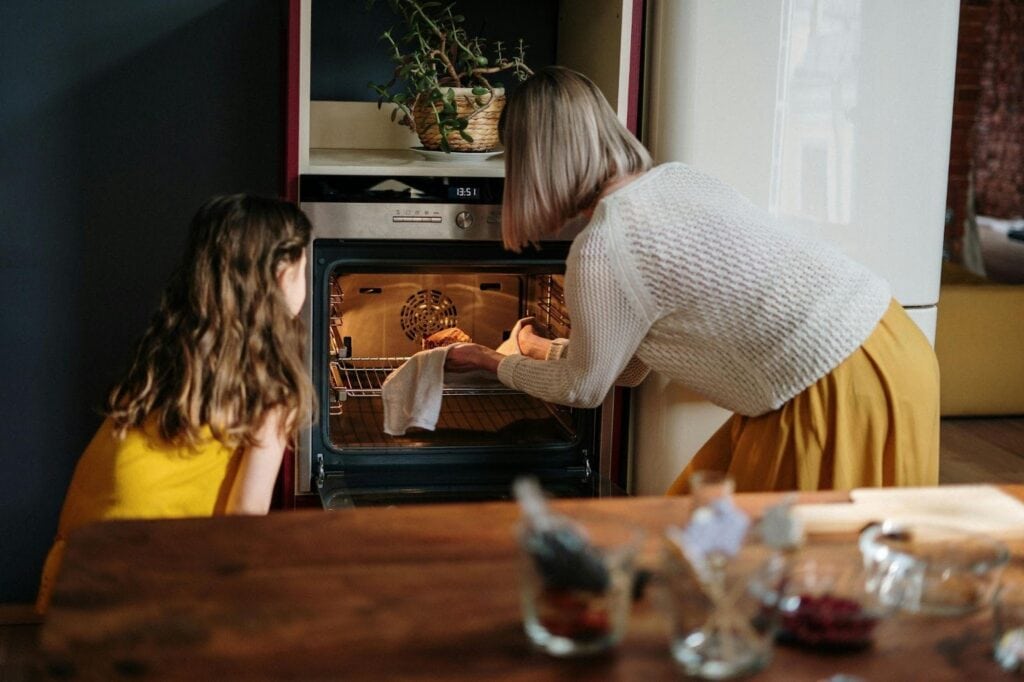
The most powerful reason to introduce your family to new foods? It brings everyone together around a common goal. Cooking and eating meals as a family promotes teamwork, teaches valuable life skills, and encourages healthier eating habits. When the whole family participates in preparing something unfamiliar, each person has a role to play: measuring, stirring, tasting, and adjusting.
Research shows that families who engage in frequent meal preparation and dining together experience higher levels of life satisfaction and emotional well-being. There’s something uniquely unifying about standing side by side in the kitchen, figuring out a new recipe together. The stakes feel low, the potential for laughter is high, and even the mishaps become stories you’ll retell for years.
2. Food Becomes a Gateway to Learning
Introducing children to diverse cuisines is a wonderful way to expand their understanding of different cultures while also trying new flavors. A taco night can turn into a conversation about Mexican traditions. A bowl of pho might spark questions about Vietnamese history. Food gives families a tangible, sensory way to explore the world without leaving home.
Children learn that food is not just filling; it’s a connection to the world around them. One way to ease kids into unfamiliar territory is by cooking new meals together. When children participate in tasks like measuring ingredients or sprinkling spices, they view their creations with more pride, which helps when it’s time for that first bite. My youngest was deeply suspicious of anything “different” until she helped roll her first batch of sushi rice. Suddenly, she was the family expert on proper nori-wrapping technique.
3. Making It Work in Your Kitchen
Getting the whole family on board with culinary exploration doesn’t require elaborate planning or professional-level skills. A few simple strategies can turn “trying something new” from a battle into something everyone looks forward to.
Firstly, choose cuisines that share some overlap with foods your family already enjoys. If everyone loves rice dishes, branch out from there. If pasta is a household staple, try a new sauce or preparation method.
It’s also good to ask family members what they’d like to try, and let them help prepare it. Kids who have a hand in making dinner are far more likely to actually eat it—and enjoy the experience.
If you have hesitant eaters, introducing a new flavor alongside familiar favorites takes the pressure off. No one has to commit to an entire plate of something unfamiliar; a few bites are enough to spark curiosity.
4. Recipes That Sparked Connection in Our Home
Source: Omnivore’s Cookbook
Some of our best family memories have come from dishes that started as experiments and became beloved traditions.
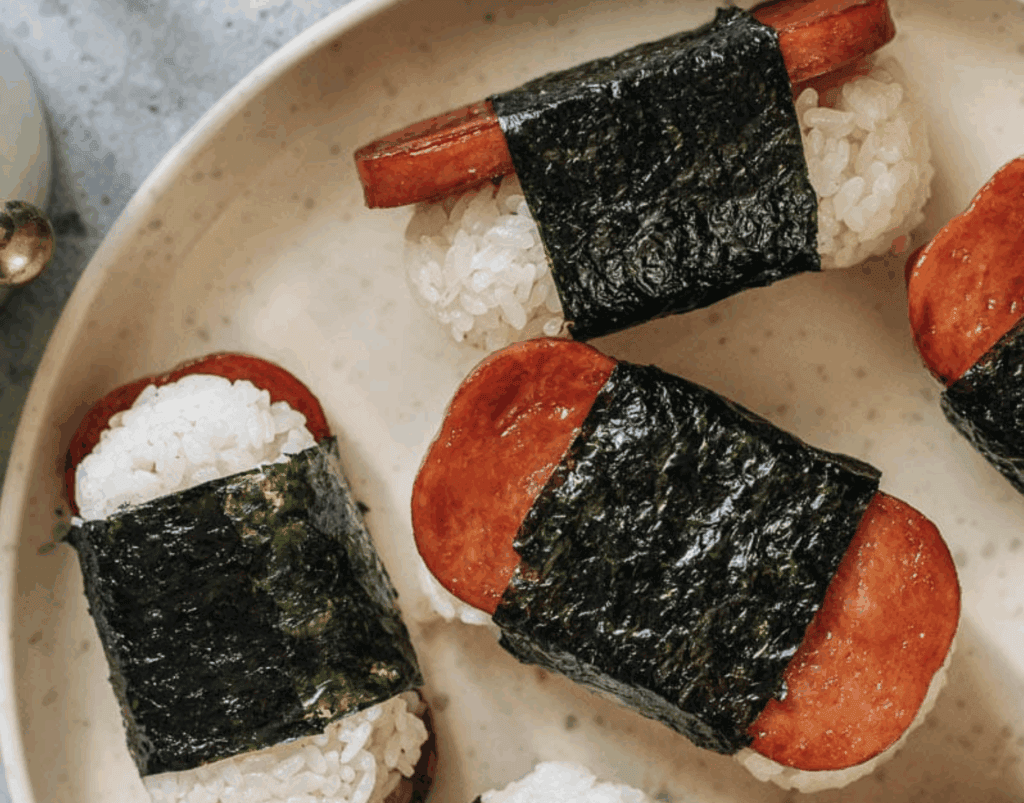
Spam Musubi was one of those happy accidents. I’d mentioned it casually after seeing it at a Hawaiian lunch spot, and my son, always up for anything involving rice, insisted we try making it ourselves.
The process turned out to be surprisingly meditative: slicing the Spam, pan-frying it with a sweet soy glaze until caramelized, pressing warm rice into a musubi mold, then wrapping everything in crisp nori. The kids loved the assembly-line nature of it, each person taking ownership of a step. Now it’s our go-to for beach picnics and road trips, and my daughter has declared herself the official Spam-frying specialist.
Another family favorite emerged from a rainy Sunday when we decided to tackle homemade dumplings. The filling was forgiving—ground pork, ginger, garlic, and scallions—but the real magic was in the folding. We watched videos, attempted various pleat patterns, and ended up with dumplings ranging from elegant crescents to what my husband affectionately called “little pouches of effort.” Every single one tasted incredible, and the kids still request “dumpling day” whenever the weather turns gray.
Final Thoughts
Building family connections doesn’t require grand gestures or elaborate plans. Sometimes it’s as simple as trying a new recipe together, letting everyone contribute, and embracing the mess and laughter that come with learning something new. Even the failures (and there will be failures) create bonds and inside jokes that strengthen your family’s story. So pick a cuisine you’ve never explored, gather everyone in the kitchen, and discover what happens when trying something new becomes something you do together.