
Navigating post-storm home maintenance requires prompt action to detect hidden exterior damage and safeguard family living spaces from long-term decay.
When high winds, hail, or heavy rainfall hit your neighborhood, your home absorbs the brunt of nature’s impact. Stepping outside after severe weather feels overwhelming when you see fallen branches and scattered debris across your yard. Taking quick steps to review your property exterior keeps your family safe and helps you identify minor issues before they turn into major structural repairs.
Checking your property systematically gives you clear peace of mind while protecting your financial investment. Following a practical routine allows you to catch exterior wear, spot internal leaks, and decide when experts need to step in.

How Do You Safely Inspect Your Property From Ground Level?
Safety remains your top priority during any post-storm exterior evaluation. Standing back at a safe distance allows you to scan your roof, chimney, and upper siding without risking personal injury from falling debris or unstable structures.
Using a pair of binoculars gives you a detailed view of high areas while keeping both feet planted firmly on the ground. Walk around your entire perimeter slowly, taking notes on displaced shingles, crooked gutters, or damaged window screens.
Focus on ground-level features like downspouts and exterior drainage paths after high winds subside. Unclogging base drains prevents water accumulation against foundation walls during subsequent rainfall.
What Are the Visual Signs of Roof and Siding Damage?
Strong winds frequently lift shingle edges or crack tile surfaces without leaving obvious piles of debris on the lawn. Scheduling timely storm-damaged roof repairs prevents small water pathways from reaching interior ceiling joists over the coming months. Looking closely at your roofline helps you locate missing shingles or bent flashing before rain returns. Walking around the perimeter twice allows you to catch subtle problems from different viewing angles.
Vinyl siding and wooden exterior panels show storm damage through subtle cracks, dents, or loose fittings. Water entering behind cracked panels weakens wall framing long before visible discoloration appears on interior drywall.
How Do You Spot Hidden Leaks Inside Living Areas?
Water traveling through damaged roofing materials rarely drips straight down into your living room. Rainy weather forces moisture through underlying insulation, causing faint discolorations on upper ceilings or soft spots in drywall.
Attic spaces reveal early warning signs long before water reaches lower living quarters. Home inspection guidelines from Timemark highlight the necessity of documenting damp insulation, attic ceiling marks, wall discolorations, and potential water pathways during your indoor checks. Capturing photos of these specific areas creates a helpful record for insurance claims.
Checking corners, window frames, and closet ceilings helps you trace water lines back to their origin point. Keeping track of damp spots early gives contractors precise context when fixing hidden gaps.
When Should You Call Experts for Structural Repairs?
Certain post-storm hazards require specialized safety equipment and professional trade experience. Stepping onto steep roofs or handling fallen power lines poses severe safety risks for homeowners.
Licensed contractors carry proper insurance, fall-protection gear, and professional diagnostic tools to evaluate structural damage accurately. Professional inspections give you comprehensive reports required by insurance adjusters, streamlining your claim process.
How Do You Manage Moisture to Prevent Indoor Mold?
Trapped water inside walls or subflooring creates optimal conditions for unseen fungal growth within two days. Mildew smells often point toward hidden moisture pockets long before visible marks appear on painted surfaces.
Home maintenance research published by Bob Vila notes that water penetration frequently manifests through sagging drywall, discolored ceilings, buckled floorboards, damp smells, and mold development. Identifying these subtle indoor changes early keeps your family living environment healthy and dry.
Running dehumidifiers and setting up floor fans accelerates airflow through affected rooms. Clearing wet materials right away stops structural framing from absorbing standing water.
What Checklist Steps Keep Your Exterior Protected Year-Round?
Establishing a routine maintenance schedule reduces storm vulnerabilities across every season. Taking proactive steps around your yard shields exterior surfaces against high wind speeds and flying debris.
- Clear drainage channels: Clean leaves and silt from gutters to keep heavy rainfall moving away from foundation walls.
- Trim heavy branches: Cut back overhanging tree limbs that could break during high wind conditions.
- Inspect siding seals: Apply fresh exterior caulk around window frames and door trim to block driven rain.
- Anchor loose items: Secure patio furniture, trash bins, and garden tools before severe weather arrives.
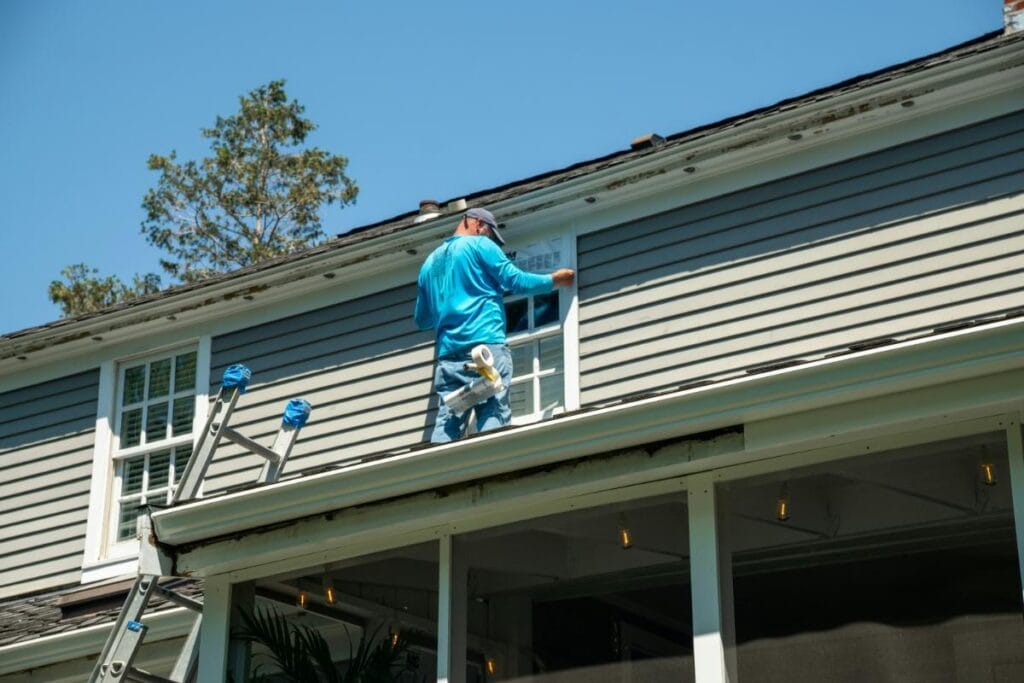
Taking fast action after severe weather protects your home against lasting interior water damage. Checking ground-level exteriors, watching for indoor dampness, and partnering with qualified tradespeople keeps your living spaces safe and dry. Consistent care gives your family confidence through every severe storm season.