
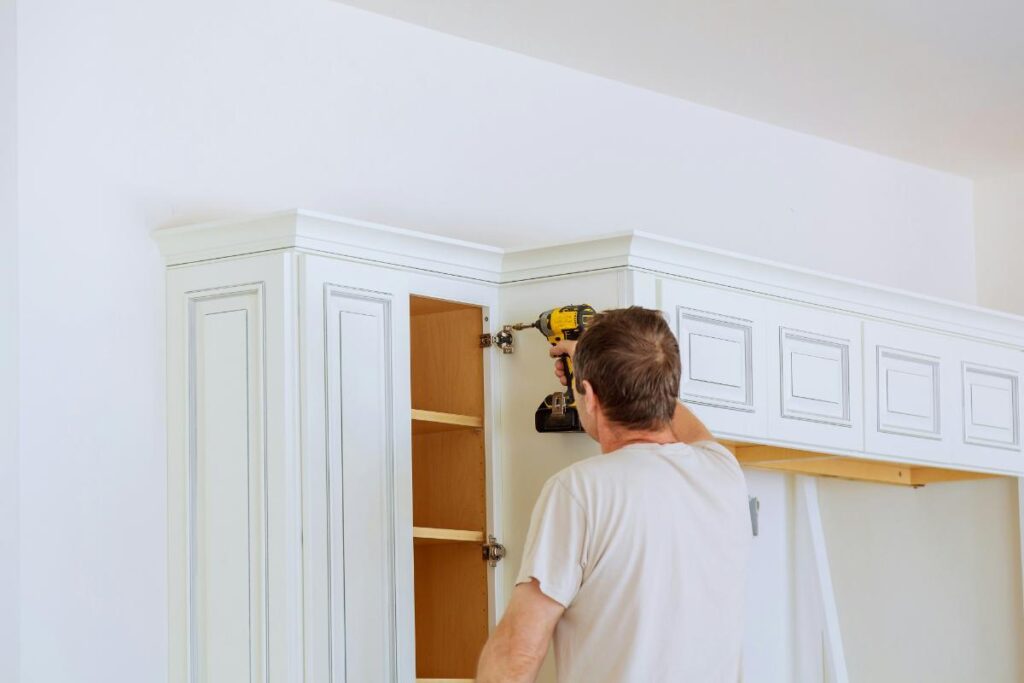
At some point, every kitchen starts to show wear. Cabinet doors loosen, countertops lose their shine, and fixtures don’t work quite like they used to. In many cases, small repairs are enough to keep things functional. A tightened hinge here, a fresh coat of paint there, and the space feels usable again, at least for a while.
But kitchens are one of the hardest-working rooms in your home. They handle daily cooking, cleaning, gathering, and storage, often all at once. Over time, repeated use can reveal problems that go deeper than surface-level damage. When you find yourself fixing the same issues again and again, it’s often a sign that basic repairs are no longer addressing the real problem.
Knowing when to move beyond quick fixes can save you time, money, and frustration. If your kitchen feels inefficient, outdated, or constantly in need of attention, it may be time to look at the bigger picture.
When Repairs No Longer Improve Function or Flow
Basic repairs are meant to maintain what already works. They replace worn parts or correct small issues without changing how the kitchen functions overall. But when the layout itself feels awkward or daily tasks take more effort than they should, repairs can only do so much.
You might notice that cooking feels cramped, storage never seems adequate, or appliances are difficult to access. Even after replacing fixtures or refinishing cabinets, the kitchen still doesn’t feel comfortable or efficient. These are signs that the problem isn’t cosmetic. It’s structural.
At this stage, many homeowners begin exploring support beyond simple maintenance. Working with a kitchen remodeling company allows you to address layout, workflow, and long-term functionality rather than continuing to patch issues that never fully go away. Professional remodeling focuses on how the space works as a whole, helping transform the kitchen into one that fits your daily routine instead of fighting against it.
When repairs stop improving how the kitchen feels and functions, it’s often a clear signal that a more complete upgrade is worth considering.
Outdated Layouts That Don’t Match Modern Living
Older kitchens were designed for a different lifestyle. Smaller appliances, fewer gadgets, and less emphasis on open living meant layouts didn’t need to accommodate the way kitchens are used today. As homes evolve, these older designs can start to feel limiting.
Narrow walkways, closed-off corners, and poorly placed work zones make it harder to cook, clean, and move around comfortably. Even if everything technically works, the layout may slow you down or create unnecessary frustration. No amount of cabinet repair or countertop replacement can fix a design that no longer suits how you live.
Modern living often calls for better flow, more counter space, and layouts that support multitasking. When your kitchen layout feels stuck in the past, a remodel can reconfigure the space in a way repairs simply cannot.
Repeated Maintenance Issues That Keep Coming Back
One of the clearest signs your kitchen needs more than basic repairs is when problems keep returning. You might fix a cabinet only to have another fail shortly after. Countertops may show new damage soon after being refinished. Plumbing issues might improve temporarily, but never fully resolve.
These recurring problems often point to aging materials or outdated construction methods. Over time, repairs become less effective and more expensive, especially when underlying systems are worn out. Constant maintenance can quietly cost more than a well-planned remodel.
A full kitchen upgrade addresses root causes instead of symptoms. By replacing aging components and updating systems together, you reduce the cycle of ongoing repairs and gain a space built to last.
Lack of Storage and Workspace Despite Minor Fixes
Storage issues are another common frustration that repairs can’t solve. You might add organizers or adjust shelves, yet counters remain crowded, and cabinets feel overstuffed. This usually means the kitchen wasn’t designed with enough storage to begin with.
Limited workspace can be just as challenging. Small counters make meal prep difficult, especially if multiple people use the kitchen at the same time. Repairs don’t create new space. They only improve what’s already there.
A remodel allows you to rethink storage and workspace entirely. Additional cabinets, better drawer systems, and expanded counters can dramatically change how the kitchen feels and functions. When clutter and crowding become daily obstacles, it’s a strong sign that the space needs more than surface improvements.
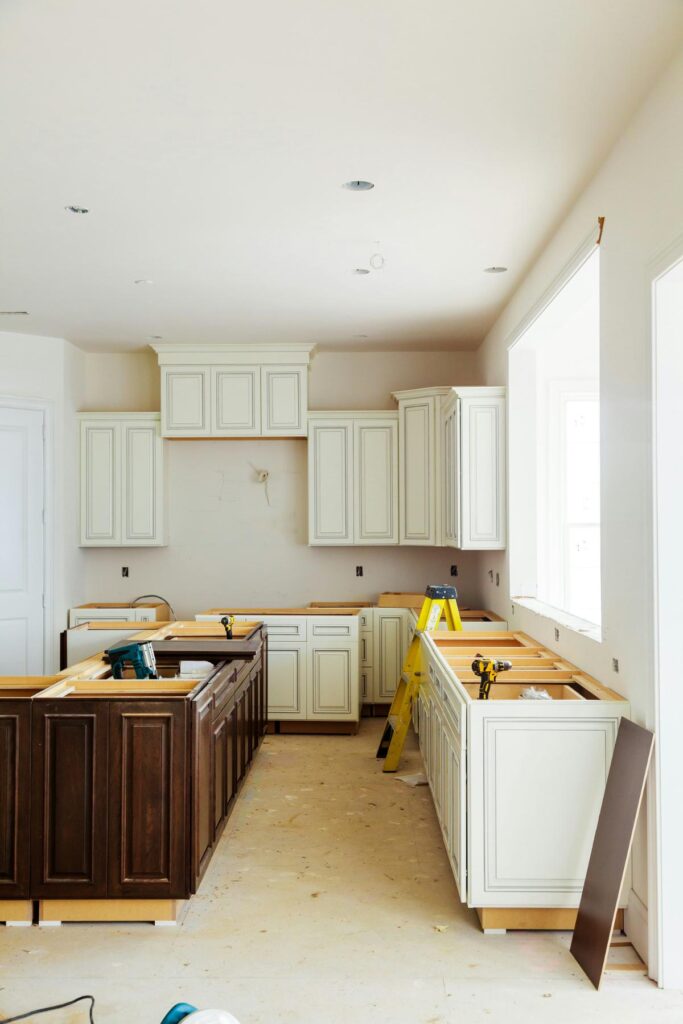
Aging Materials That Affect Safety and Efficiency
As kitchens age, materials wear down in ways that can affect safety and efficiency. Cabinets may weaken, floors can become uneven, and old fixtures may not perform as well as modern alternatives. These issues often start small but worsen over time.
Outdated electrical systems, poor ventilation, or worn plumbing can also create risks that repairs only temporarily mask. In some cases, continuing to repair these elements delays an inevitable replacement while increasing the chance of larger problems later.
Modern materials are designed to be more durable, easier to maintain, and safer to use. A full remodel replaces outdated components with ones that meet current standards, improving both peace of mind and long-term performance.
When Kitchen Appearance Affects Comfort and Home Value
Your kitchen isn’t just a functional space. It also plays a major role in how your home feels and how it’s perceived. An outdated or worn kitchen can make the entire house feel older, even if other rooms are well-maintained.
Guests notice kitchens quickly, and so do potential buyers. A space that looks tired or mismatched can affect comfort and lower perceived value. While repairs can improve appearance slightly, they rarely deliver the cohesive look that makes a kitchen feel truly updated.
A remodel creates visual harmony by updating finishes, materials, and layout together. The result is a kitchen that feels intentional and inviting, which adds both comfort and value to your home.
Basic repairs have their place, especially when issues are small and isolated. But when multiple signs start appearing, poor layout, recurring problems, limited storage, aging materials, and ongoing frustration, it’s usually time to think bigger.
A kitchen remodel isn’t just about looks. It’s about creating a space that supports your lifestyle, works efficiently, and holds up over time. Recognizing when repairs are no longer enough helps you avoid wasted effort and repeated expenses.
By stepping back and evaluating how your kitchen truly performs, you can make a more informed decision. Sometimes, the smartest move isn’t another quick fix. It’s investing in a solution that finally addresses the space as a whole and makes everyday life easier.