
A standard frame works when a picture matches a common opening, but many meaningful pieces do not fit that format. Wedding portraits, children’s artwork, signed prints, travel keepsakes, and found objects often need different dimensions or deeper construction. Custom framing accounts for those differences while giving the piece a considered presentation. It also lets the frame, mat, and proportions suit the wall where the item will hang. The benefits become clearer by looking at what custom framing changes.
Exact Dimensions for Unusual Prints
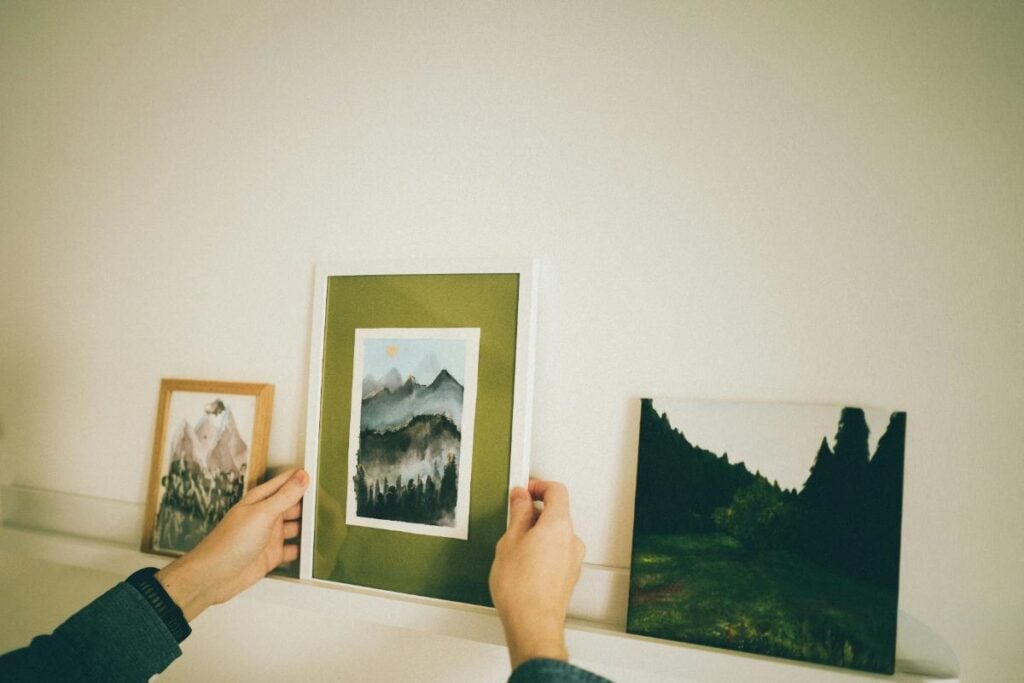
Off-the-shelf frames follow common measurements, which can limit the fit. A custom frame uses the artwork’s actual dimensions, so borders do not require cropping or excessive empty space. That matters for panoramic photos, square portraits, oversized prints, and images with details near the edges. A measured frame also supports a mat opening that keeps the subject positioned as intended.
A custom photo frame store bases the framing process on the item itself, for unusual photographs, artwork, and small physical keepsakes alike. Size decisions account for its dimensions, presentation needs, and intended wall placement. Customers can begin with a digital photo upload, send art or objects through a mail-in service, or visit a store.
Materials Chosen Around the Piece
Size is only one part of custom framing. The frame profile, mat, glass, and backing affect the piece’s appearance and function. A thin profile suits artwork that needs a quiet border, while a deeper frame works better for objects with added thickness. The mat creates space around a photo and separates the image from the frame.
Better Control Over Visual Proportions
A standard frame often dictates the final proportions. Custom framing sets the frame dimensions around the image and its wall location. You can use a collection of frames to create unique photo walls.
The mat width can change the visual weight of a photo without changing the photo itself. A wider border gives a small image more presence, while a narrow border keeps attention closer to the picture. This approach helps when several framed pieces share a wall. Consistent finishes or mat proportions create order when photos have different sizes.
Support for Sentimental Objects
Photographs are not the only items worth framing. Small paper keepsakes, handwritten notes, and memorabilia often have dimensions that standard frames do not accommodate. Object framing also changes the depth required. A flat document and a three-dimensional keepsake need different interior space, backing, and placement methods.
There are many services where customers can send art and objects through a mail-in service or visit a store. They also offer handcrafted frames and design advice for pieces that need more than simple size matching.
Design Choices That Fit the Room
Custom framing makes it easier to coordinate a piece with its setting. A frame can repeat materials used in a room, establish contrast, or keep attention on the artwork. The decision should begin with the piece, then consider the wall, furniture, and nearby frames. A detailed image often suits a simple profile, while a minimal photograph can support a distinctive border.
For a gallery wall, consistent outer dimensions can matter more than identical image sizes. Custom mats can bring mixed formats into a cleaner arrangement without altering the original photographs.
A Practical Process From Upload to Display
A useful custom-framing process removes guesswork. The site outlines three starting options: customers can upload a digital photo, send art and objects through a mail-in service, or visit a store. That flexibility matters because different pieces require different handling. A phone photo can move through an online workflow, while an original print or object can be physically submitted.
Conclusion
Custom framing makes sense when a piece has unusual dimensions, meaningful depth, or a specific visual relationship with its surroundings. The main benefit is control: the artwork determines the opening, mat, proportions, and frame instead of adapting to a stock format. Before ordering, measure the piece, note any fragile or three-dimensional parts, and consider the wall location. That preparation gives the framing process clearer direction and supports a cleaner finished display.