
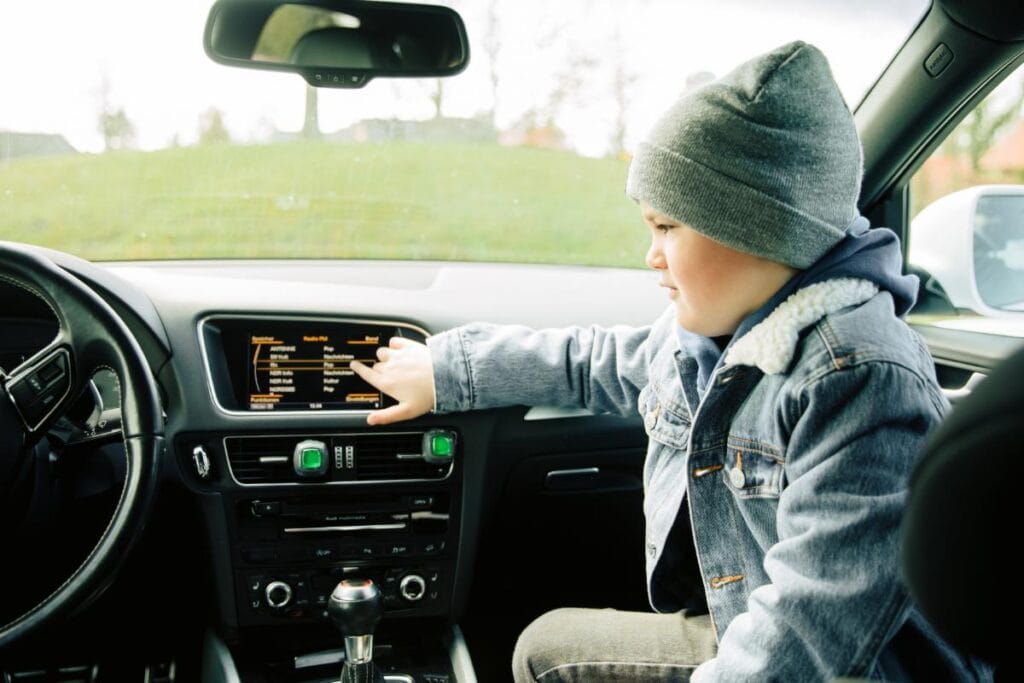
Kids riding in the front seat can be dangerous if proper safety guidelines are not followed, especially because airbags and crash impact can cause serious injury to younger children. Parents need to understand when it is safe and what precautions to take before allowing a child to sit in the front.
Many parents often ask what age kids can sit in front seat safely. This is an important question because safety recommendations are based on a child’s age, size, and ability to use seat belts correctly. Understanding these factors can help prevent injuries and keep children protected on the road.
Why the Front Seat Can Be Risky for Kids
To begin with, the front seat is not designed for young children. One of the biggest risks comes from airbags. While airbags protect adults, they can be harmful to smaller bodies.
When an airbag deploys, it does so with great force. For a child, this force can lead to the following:
- Head and neck injuries
- Chest injuries
- Serious trauma during a crash
In addition, children may not sit properly in the front seat. Slouching or leaning forward can increase the risk of injury during sudden stops or accidents.
Recommended Age and Safety Guidelines
Next, it is important to understand general safety recommendations. Most safety experts suggest that children under the age of 13 should ride in the back seat.
This guideline is based on several factors:
- Children’s bodies are still developing.
- Seat belts may not fit properly in the front seat.
- The back seat provides more protection during a crash.
Even if a child seems tall enough, age alone is not the only factor. Proper seat belt fit is equally important.
Proper Seat Belt Fit for Children
As children grow, they transition from car seats to seat belts. However, not all seat belts fit children correctly right away.
A proper seat belt fit includes the following:
- The lap belt resting across the upper thighs, not the stomach.
- The shoulder belt crossing the chest, not the neck or face.
- The child sitting upright with their back against the seat.
If the seat belt does not fit properly, a booster seat may still be needed, even if the child is sitting in the front.
Situations Where the Front Seat May Be Used
Although the back seat is safer, there may be situations where a child needs to sit in the front. For example:
- The vehicle does not have a back seat.
- All rear seats are occupied by younger children in car seats.
- Special circumstances require front seating.
In these cases, extra precautions should be taken to reduce risk.
Safety Tips for Front Seat Riding
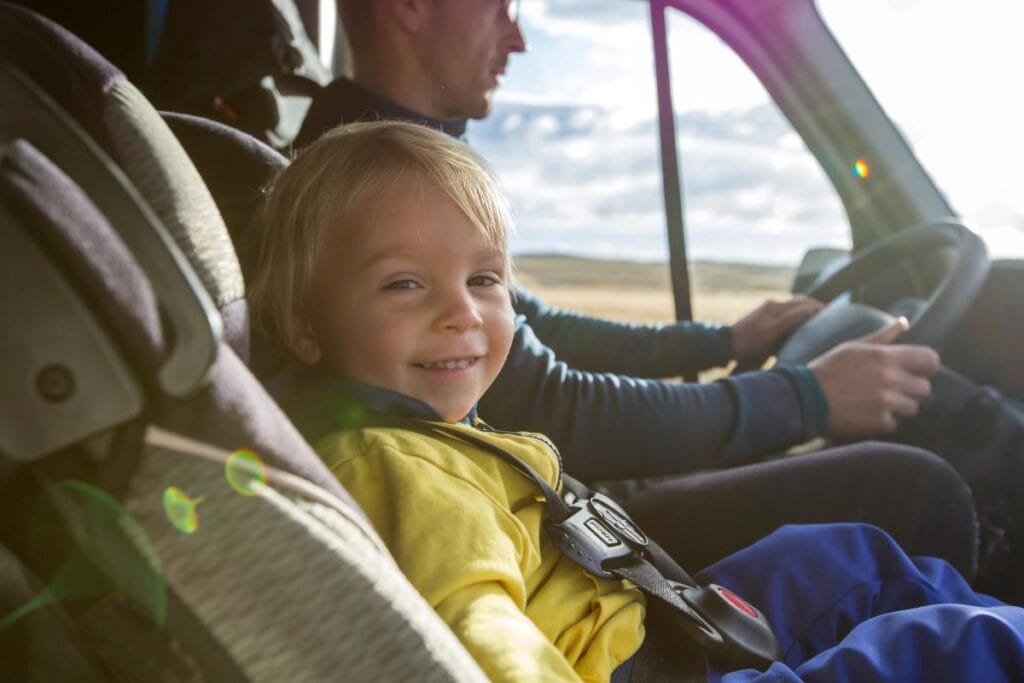
If a child must sit in the front seat, following safety steps can help protect them.
- Move the seat as far back as possible.
- Ensure the child wears a properly fitted seatbelt.
- Have the child sit upright at all times.
- Disable the airbag if the vehicle allows it.
- Avoid allowing younger children in the front seat whenever possible.
These steps reduce the chance of injury during a crash.
Understanding State Laws and Regulations
In addition to safety recommendations, parents should also be aware of state laws. Rules about child seating can vary depending on location.
Some states have specific requirements for:
- Age limits for front seat riding
- Use of car seats and booster seats
- Seat belt usage
Following these laws not only ensures safety but also helps avoid fines or penalties.
The Role of Parental Awareness
As we look at these guidelines, it becomes clear that awareness plays a key role in child safety. Many accidents can be prevented by making informed decisions about seating.
Parents should regularly check:
- Whether their child has outgrown their current seat
- If the seat belt fits properly
- If the child understands how to sit safely
Teaching children about car safety also helps them develop good habits for the future.
Key Takeaways
- Kids riding in the front seat face higher risks, especially from airbags.
- The age kids can sit in the front seat depends on safety guidelines, not just age.
- Children under 13 are generally safer in the back seat.
- Proper seat belt fit is essential for safety.
- Booster seats may still be needed for smaller children.
- Extra precautions should be taken if a child must sit in the front.
- Understanding laws and safety practices helps protect children.