
A backyard playground can transform an ordinary yard into a space where children build confidence, develop coordination, and simply enjoy being kids. But the setup process involves far more than picking out a play structure and assembling the pieces. Parents who invest time in thoughtful planning tend to create safer, longer-lasting play environments. From choosing the right location to setting everyday safety rules, every decision matters. This guide covers what parents should know before the first bolt is tightened or the first bag of mulch is poured.
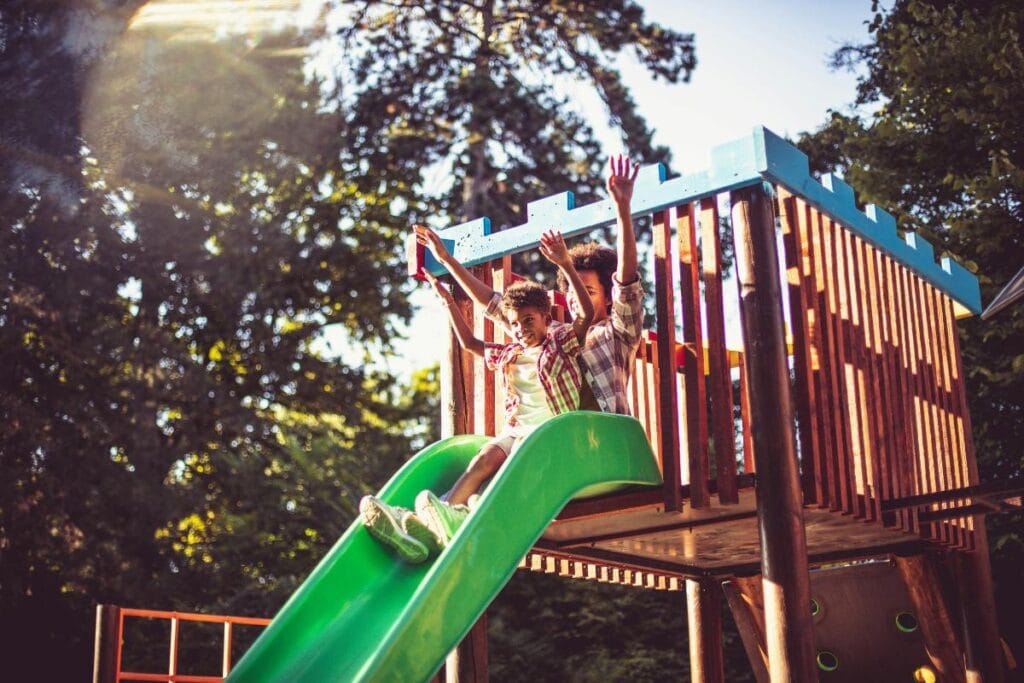
How to Pick the Right Spot in Your Backyard
Location is one of the most consequential decisions in the entire playground setup process. A poorly chosen spot can lead to safety hazards, uncomfortable play conditions, and even structural problems over time. Parents should walk their yard at different times of day before committing to a location.
Sun, Shade, and Space Requirements
Direct sunlight might seem harmless, but metal slides and plastic surfaces can reach temperatures well above 150°F on a hot summer day. Positioning the playground under partial shade from a tree or shade sail reduces that risk considerably. But trees also introduce their own concerns, such as falling branches or root systems that could destabilize anchoring over time. A good approach is to look for a spot with natural afternoon shade while keeping the structure at least 6 feet away from any tree trunk.
Space requirements are equally important. Most playground safety guidelines recommend a minimum of 6 feet of clear fall zone on all sides of the structure. For a standard backyard swing set, that can mean needing a play area of 20 feet or more in one direction. Parents should also account for the natural paths children take as they run from one activity to another. A play space that feels cramped often leads to collisions and falls.
Exploring backyard playground ideas for kids early in the planning phase helps parents match structure size and features to the available space rather than retrofitting a structure that doesn’t quite fit the yard.
Safe Surfacing and Ground Cover Options
The ground beneath a playground is just as important as the structure itself. Hard surfaces like concrete, asphalt, or packed dirt do not absorb the impact of a fall. In fact, the majority of serious playground injuries are not from the equipment but from falls onto unsuitable ground surfaces. Choosing the right surfacing material dramatically reduces injury risk.
Engineered wood fiber and rubber mulch are two of the most widely used options for residential playgrounds. Engineered wood fiber, at a depth of around 9 to 12 inches, meets accepted impact attenuation standards for fall heights up to about 10 feet. Rubber mulch requires a slightly shallower depth to achieve similar protection, and it tends to stay in place better over time. Pea gravel is another option, though it can migrate easily and may create uneven coverage.
Poured-in-place rubber surfacing offers a seamless, low-maintenance surface that works particularly well for families with younger children or those with mobility considerations. It is, but among the more expensive choices upfront. Parents should consider both their budget and the long-term upkeep each material demands before making a final decision.
Installation, Anchoring, and Structural Safety
Even a well-designed playground structure becomes a hazard if it is not properly installed. Many parents underestimate the complexity of playground assembly, and instructions that appear straightforward in a manual can become confusing once the process begins. Hiring a professional installer is often worth the added cost, particularly for larger or more complex structures.
Anchoring is one area with very little room for error. A swing set that tips or shifts during use poses immediate danger. Ground anchors should be driven deep into soil that has been evaluated for stability. Sandy or excessively loose soil may require concrete footings to keep anchors secure. Parents should test the structure by applying force from multiple angles before allowing children to use it.
Structural safety also means checking for hazards that are built into the equipment itself. Openings between 3.5 and 9 inches are known to present head entrapment risks. Protruding bolts, sharp edges, and spaces where clothing drawstrings could catch are all worth examining before the first child climbs aboard. Many playground injuries are preventable through a thorough pre-use inspection.
Ongoing Maintenance and Inspection Tips
A backyard playground requires consistent attention even after the initial setup is complete. Wood structures are particularly susceptible to weathering, rot, and splinter formation over time. Parents should apply a water-resistant sealant to wood components at least once per year and inspect for soft spots that could indicate decay.
Hardware is another area that demands regular checks. Bolts and connectors loosen over time due to vibration from regular use. A monthly check with the appropriate tools takes only a few minutes and can prevent a joint from failing at the wrong moment. Swing hangers and chain attachments deserve particular attention since they bear repetitive load stress throughout the play season.
Surfacing materials also need periodic maintenance. Wood fiber and mulch compact and break down over time, which reduces their protective depth. Parents should replenish surfacing materials at the start of each season and check depth levels after heavy rainfall or extended dry periods. Keeping a maintenance log helps track what has been checked and what needs attention next.
Supervision, Play Habits, and Everyday Safety Rules
Equipment safety and proper installation lay the foundation, but active supervision remains the most effective tool parents have for preventing injuries. Studies on childhood playground injuries consistently show that adult supervision reduces the frequency and severity of accidents. This does not mean a parent must hover over every move a child makes, but it does mean staying close enough to respond quickly.
Age-appropriate play habits matter just as much as physical supervision. A five-year-old and a ten-year-old have very different physical capabilities and risk awareness. Parents who set clear expectations about who can use which equipment, how many children can use it at once, and what behaviors are not allowed tend to see fewer accidents. For example, children should never stand on swings, climb outside the structure’s intended boundaries, or use equipment designed for older age groups.
Everyday rules should be simple, consistent, and explained in terms children understand. Telling a child not to push others off the slide is more effective than a general warning about being careful. Parents should revisit these rules periodically, especially as children grow and invite friends to play. A structured yet relaxed approach to backyard playground safety keeps children free to explore while still protecting them.
Setting up a backyard playground is a rewarding project, but it calls for careful thought at every stage. From site selection and surfacing to installation, maintenance, and everyday supervision, each element contributes to a safer and more enjoyable play space. Parents who treat the setup process as a series of deliberate decisions rather than a one-time task tend to create environments where children thrive for years to come.