
Your home is your sanctuary. With this in mind, it’s no surprise that finding a leak in your roof can be a devastating experience. Your mind will likely begin racing with thoughts of how much damage has been done and, maybe more importantly, how much it is going to cost you to have it fixed. First things first, it is important that you remain calm. Panicking will accomplish nothing and only serve to make the situation more stressful. Just remember that leaks are a common and normal part of home ownership, and as long as you act quickly and responsibly, the damage to your home and other property should be minimal. Let’s take a look at exactly what you should do after discovering a roof leak.
Identify the Signs of a Roof Leak
First, it’s important that you are able to recognize the signs of a roof leak. Signs you should keep an eye out for include:
● Yellow or brown discoloration on the ceiling or walls, which may indicate water intrusion from the roof.
● Active dripping during or after rainfall that usually signals a roofing problem.
● Peeling paint or bubbling wallpaper, which is a sign of trapped moisture.
● Musty odors, which are a sign of mold growth due to water intrusion.
● Damp attic insulation, which indicates a roof leak or another source of water intrusion.
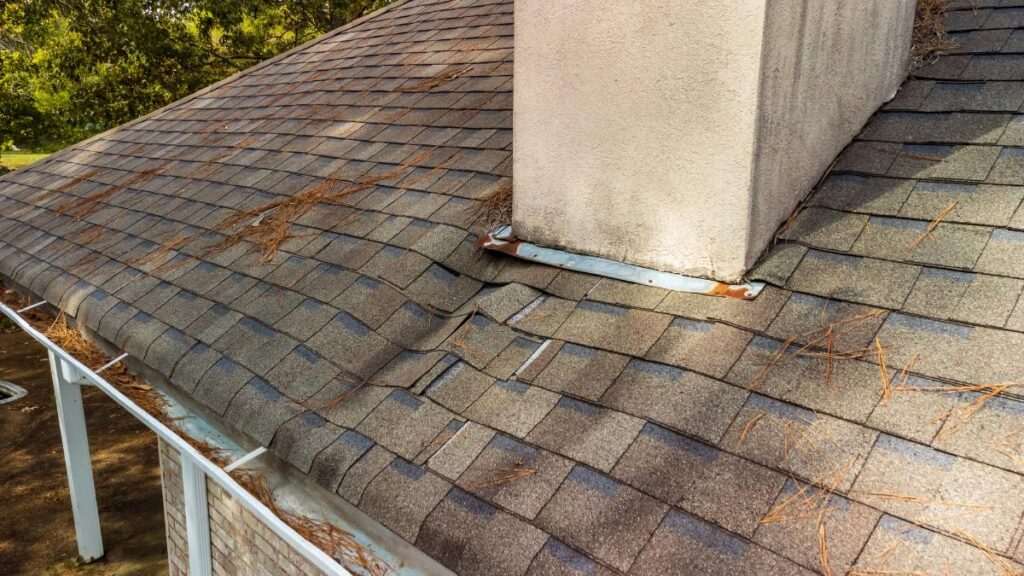
● Missing or damaged shingles that can provide clues regarding the source of a leak.
None of the above should be ignored. Noticing them early and taking action can go a long way toward mitigating the damage a leak can cause.
Take Immediate Steps to Limit Water Damage
Once you notice a leak, immediately work towards preventing property damage. You should move furniture, electronics, and valuables away from the affected area, as well as cover any large pieces of furniture that cannot be moved easily. Next, place a bucket or container beneath active drips to prevent damage to the floor or carpet. Also, keep in mind that water near electrical outlets, light fixtures, or wiring can create serious safety risks. Make sure you and your family stay away from outlets or other electrical components until the leak is dealt with.
Determine What Might Be Causing the Leak
After you have done what you can to limit water damage, you should try to determine what caused the leak. Possible causes include:
● Damaged or Missing Shingles: Wind, aging, and severe weather can compromise roofing materials and allow water to enter.
● Damaged Flashing: Deteriorated or improperly installed flashing around chimneys, vents, and other roof penetrations can create entry points for water.
● Clogged Gutters: Blocked gutters can interfere with drainage and contribute to water-related problems along roof edges. The importance of proper drainage cannot be overstated.
● Ice Dams: During winter, ice dams can prevent melting snow from draining properly, allowing water to back up beneath roofing materials.
● Storm Damage: Heavy rain, strong winds, and falling branches can damage roofing materials and expose vulnerable areas.
● Aging Roofing Materials: Over time, shingles, seals, and other roofing components can deteriorate and become less effective at keeping water out.
Knowing what caused the leak can help you prevent it from happening again in the future. It can also give you an idea of the severity of the damage done to your home.
Avoid Common Mistakes When Dealing With a Roof Leak
Finally, avoid making the most common mistakes that happen when dealing with a roof leak. These include:
● Ignoring Small Leaks: Seemingly minor leaks can cause progressive damage to insulation, ceilings, walls, and structural materials.
● Attempting Dangerous DIY Repairs: You should not climb wet, icy, or damaged roofs, or take any action that will put you in harm’s way.
● Using Temporary Fixes as Permanent Solutions: Buckets and tarps may help manage immediate problems but do not address the underlying cause.
● Waiting for the Weather to Improve Without Taking Precautions: You should work towards containing water and protecting belongings while arranging professional assistance.
● Overlooking Hidden Damage: Visible stains may be only one indication of a larger moisture problem.
If you avoid these mistakes, it will help you prevent making the damage worse or accidentally hurting yourself.

How to Avoid Future Leaks
The last thing you want is for roof leaks to become a recurring problem that you are constantly dealing with. This can be a major headache that causes you unneeded stress. Luckily, there are steps you can take that will lessen the chances of future leaks developing. Preventative steps you should take include:
● Schedule Regular Roof Inspections: Have roofing materials and vulnerable areas inspected periodically by a professional.
● Maintain Gutters and Downspouts: Keeping drainage systems clear helps direct water away from the home, preventing it from pooling and making its way inside..
● Address Storm Damage Promptly: Inspect for visible damage after severe weather, without climbing onto the roof.
● Prepare for Winter Weather: Address roofing vulnerabilities before winter and manage snow accumulation promptly and safely.
● Prevent Ice Dam Formation: Proper attic insulation, ventilation, and roof maintenance can help reduce ice dam risks. This is important as ice dams are known to easily cause roof leaks.
● Repair Minor Problems Early: Addressing damaged shingles, flashing, and other roofing issues as soon as they are noticed can help prevent leaks from developing or worsening.
This list may seem like a lot, but it’s really not. Doing all of these things should not cost you more than a couple hours of your time each month, but they can end up saving you thousands of dollars in repairs.
Call a Professional Roofing Contractor
The best thing you can do is hire a professional residential roofing contractor. They are experts at finding leaks and fixing them correctly, ensuring that the leak does not come back. Their training also allows them to do so safely, without putting themselves or others at risk. Fixing leaks can be tricky, and it is best not to attempt to do so yourself without extensive roofing experience.