
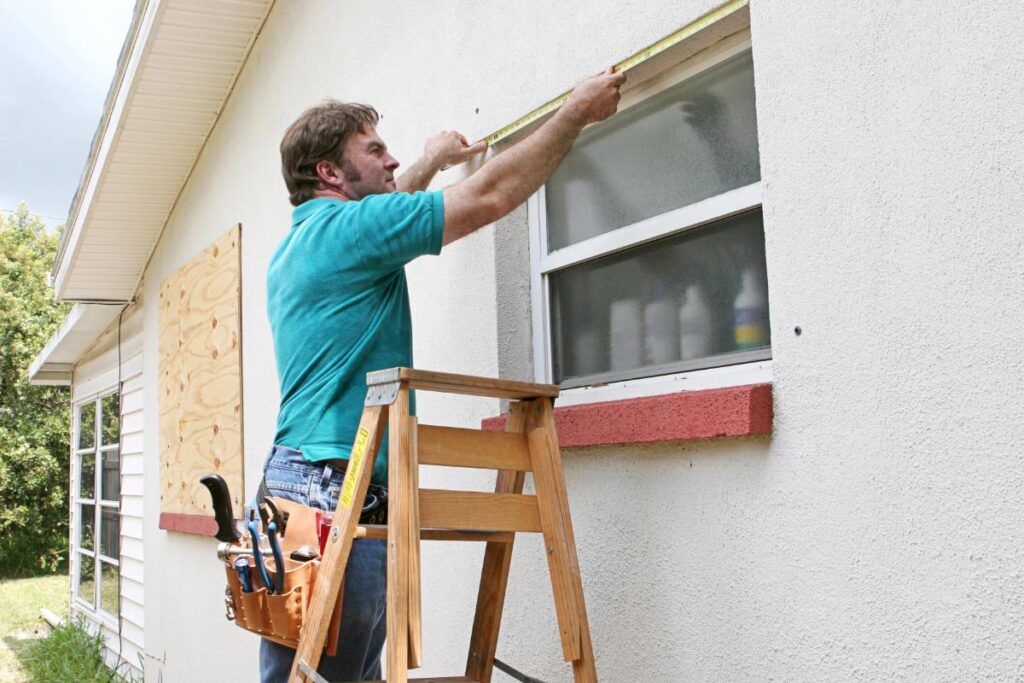
One home repair is usually manageable. The situation becomes harder when the roof, plumbing, HVAC system, flooring, electrical work, and other projects all seem to need attention at once.
When the repair list becomes longer than the available budget, do not start with whichever problem is most visible. First determine what affects safety, what could cause additional damage, and whether repairing the entire property still makes financial sense.
1. Separate Urgent Repairs From Cosmetic Problems
Walk through the house and divide the work by priority.
A dated kitchen may be frustrating, but it usually does not deserve the same urgency as an active roof leak or unsafe electrical wiring.
Put Repairs Into Three Groups
- Safety and structural problems
- Problems causing ongoing property damage
- Cosmetic or convenience improvements
Water intrusion, foundation movement, electrical hazards, plumbing failures, and heating problems should usually move toward the top.
Paint, older cabinets, worn countertops, and decorative updates can generally wait.
2. Get Real Repair Estimates
Do not build the budget from rough online estimates.
Ask qualified contractors to inspect the major problems and provide written estimates.
For expensive projects, get more than one quote and make sure each contractor is pricing the same scope of work.
If the repair list becomes financially unrealistic, you can also compare renovation with the option to sell the house as-is rather than automatically committing to months of construction.
The important comparison is net outcome.
Calculate what repairing and selling might leave after construction costs, financing, carrying expenses, and transaction costs.
3. Stop Damage From Spreading
Some problems become significantly more expensive when they are postponed.
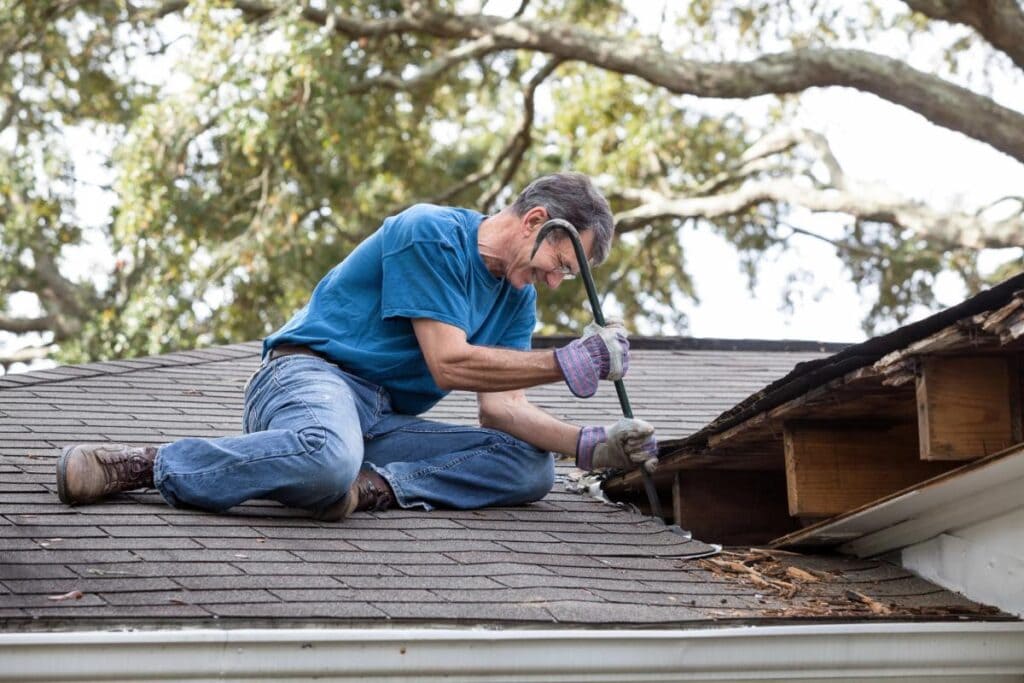
A roof leak can eventually damage insulation, drywall, flooring, electrical components, and framing.
A plumbing leak can create similar problems inside walls or underneath cabinets.
Prioritize repairs that prevent secondary damage.
Stopping a leak may not make the house look better immediately, but it can prevent another section of the repair budget from growing.
4. Build a Five-Year Repair Forecast
Looking at each problem individually can hide the true condition of the home.
Create a list of major components and estimate when they may require repair or replacement.
Include the roof, HVAC system, water heater, plumbing, electrical service, appliances, windows, exterior materials, and drainage.
If several major systems are approaching the end of their useful lives at the same time, the financial question changes.
You are no longer deciding whether to repair one item. You are deciding whether you want to keep funding the property over the next several years.
5. Avoid Cosmetic Renovation Too Early
It is easy to spend money where the results are immediately visible.
New floors, paint, countertops, and cabinets can make the house feel dramatically better.
They should not come before hidden systems are evaluated.
Installing new flooring before resolving a plumbing problem may mean removing part of that flooring later.
Likewise, remodeling a bathroom makes little sense if the pipes inside the wall already need replacement.
Complete essential infrastructure work before finishes whenever possible.
6. Check Whether Repair Financing Makes Sense
A repair may be affordable when paid from savings but much more expensive when financed.
Interest and loan fees increase the amount the project ultimately needs to justify.
Before borrowing, calculate the full cost rather than looking only at the monthly payment.
The U.S. Department of Housing and Urban Development maintains home improvement resources covering repair financing programs and consumer information for homeowners considering renovation work.
Compare financing with other options before using home equity or unsecured debt for a large group of repairs.
7. Consider How Long You Plan to Stay
The value of a repair depends partly on how long you will benefit from it.
Replacing an aging HVAC system may make sense if you expect to live in the house for another decade.
The same investment may feel different if you already plan to relocate next year.
Ask whether each major project is being completed because you want to continue living in the home or simply because you believe everything must be fixed before selling.
Those are different decisions.
8. Look at the Local Value Ceiling
A home can only support so much renovation financially.
Research comparable properties in the neighborhood.
If updated homes similar to yours typically sell around $450,000, spending $150,000 on a property currently worth $350,000 may be difficult to recover.
Compare Similar Homes By
- Square footage
- Bedroom and bathroom count
- Lot size
- Age
- Condition
- Location
- Recent sale price
Use closed sales rather than asking prices whenever possible.
A renovation budget should reflect what buyers in the area are actually paying.
9. Calculate the Cost of Keeping the Property
Repair costs are not the only expenses that matter.
You may continue paying the mortgage, property taxes, insurance, utilities, HOA fees, and routine maintenance while repairs are underway.
If the home becomes difficult to occupy during construction, temporary housing and storage may add another layer of expense.
Add these carrying costs to the renovation budget.
A six-month project can look much less attractive when six months of ownership expenses are included.
10. Know When to Stop Repairing
Homeowners sometimes continue approving repairs because they have already invested so much money.
Past spending should not determine whether the next project is worthwhile.
If you have spent $25,000 and another contractor now recommends $40,000 of additional work, evaluate that new $40,000 decision on its own.
Ask what happens if you spend the money.
Will the house then be stable for several years, or is another major project likely to follow?
Knowing when to stop can be as important as knowing which repair to start.
11. Keep Records of Completed Work
If you decide to repair the property, document everything.
Save contractor invoices, permits, warranties, inspection reports, photographs, and receipts for major materials.
These records help you track the actual cost of the project and can also be useful when the property is eventually sold.
Keep them in one digital folder rather than scattered across email accounts and paper files.
That makes it easier to show what was repaired, when it was completed, and who performed the work.
Make the Decision From the Full Repair Picture
A house with too many repairs needs a plan, not a longer to-do list.
Start with safety and active damage. Get real estimates, look several years ahead, and calculate carrying and financing costs before committing to large projects.
Then compare the cost of continuing with the property against your other options.
Some homes are worth repairing because the major problems are clearly defined and the owner intends to stay. Others reach a point where continued repairs consume more money and time than the homeowner wants to invest.
The right decision becomes much clearer once every repair is considered as part of the same financial picture.