
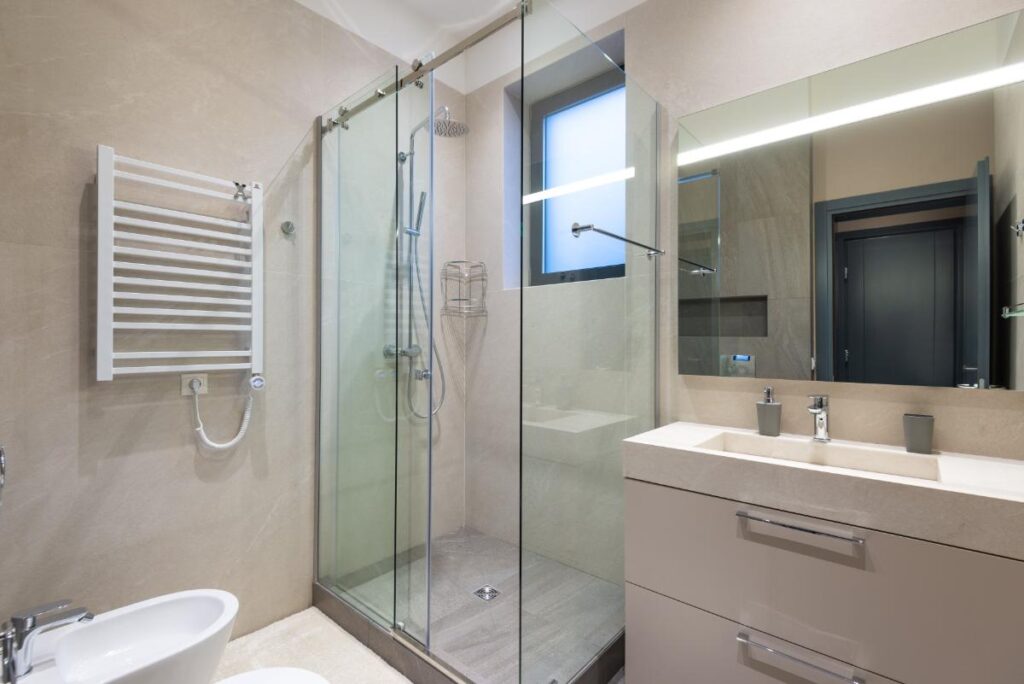
Your shower can quietly shape how your whole bathroom feels. If it’s stained, cramped, hard to clean, or starting to leak, the room never really feels finished. In Tampa, that issue gets more complicated because heat, humidity, and heavy daily use can wear materials down faster than many homeowners expect. Before you commit to a replacement, it helps to understand how design, installation, and long-term maintenance fit together.
Pay attention to Tampa-specific conditions before you choose materials
Bathrooms in Florida deal with a climate that pushes moisture management to the front of every remodeling decision. In Tampa, high humidity can make ventilation issues more obvious, and that matters when you’re picking wall systems, sealants, and hardware.
Natural stone may look impressive, but it usually demands more maintenance than many homeowners want. Acrylic and solid-surface systems are often easier to clean, less porous, and better suited for people who want low upkeep. Framed glass can collect grime faster in humid spaces, while simpler designs often stay cleaner with less effort.
If you’re comparing contractors or product options for Tampa shower replacement, ask specific questions about mildew resistance, drainage slope, and how the installation handles long-term exposure to moisture. Those details matter more than showroom styling when the bathroom gets used every day in a warm coastal climate.
Know when a shower replacement is actually the smarter move
A lot of people try to stretch the life of an aging shower with new caulk, fresh grout, or a different showerhead. Sometimes that works for a while. Sometimes it only covers a deeper problem.
If your shower pan feels soft, tiles keep loosening, mold returns no matter how often you clean, or the enclosure leaks at the corners, replacement starts making more financial sense than another patch job. Small failures in a wet area can spread into the subfloor and wall cavity, which turns a cosmetic issue into a building-envelope problem.
You should also think about function, not just damage. A shower that’s too narrow, hard to step into, or impossible to keep clean affects your routine every single day. At that point, replacing it isn’t only about appearance. It’s about usability, moisture control, and making the room work better.
Think beyond looks and focus on how you use the space
It’s easy to get pulled into color samples, tile patterns, and glass finishes first. Those choices matter, but layout decisions usually have the biggest effect on whether you’ll like the new shower six months later.
Start with your routine. Do you need a built-in bench for shaving or mobility support? Would a low-threshold entry make life easier for someone in your household now or later? Is there enough light in the enclosure, or does the space feel dim even during the day?
Storage is another detail people underestimate. A recessed niche placed at shoulder height can be far more practical than a wire rack that rusts or clutters the wall. The same goes for valve placement. If the controls are installed where you can reach them without standing under cold water first, the shower feels better to use immediately.
A good replacement should solve daily friction, not just update the style palette.
Understand what drives the price up or down
Shower replacement costs can vary quickly, even when two projects look similar on paper. The biggest price drivers usually include demolition complexity, plumbing adjustments, waterproofing, material grade, custom glass, and labor conditions in your local market.
If the project keeps the same footprint and plumbing locations, the budget often stays more manageable. Once you move valves, expand the enclosure, or correct hidden water damage, costs rise because the work becomes more technical. That doesn’t mean you should avoid necessary upgrades. It means you should expect the estimate to reflect structural and moisture-related realities, not just visible finishes.
Ask for clarity on scope. Does the quote include disposal, wall repair, waterproof backer systems, hardware, and cleanup? Does it cover permit-related requirements if needed? A low number can look appealing until you realize key items were treated as allowances or left out entirely.
The best estimate is rarely the cheapest one. It’s the one that makes the scope easy to understand.
Vet the installer like you would any major home professional
A shower replacement may look straightforward from the outside, but it sits at the intersection of plumbing, waterproofing, finish carpentry, and code compliance. One weak step in the sequence can create expensive problems behind the wall.
You’ll want to ask how the installer handles substrate preparation, waterproofing membranes, drain integration, and post-install sealing. Photos of completed work help, but process matters just as much as the final look. A clean glass door and fresh wall surround won’t tell you whether the slope was set correctly or the corners were sealed well.
Reviews can be useful when they mention scheduling, communication, cleanliness, and how problems were handled. Those details often reveal more than broad praise. You should also ask what kind of warranty is offered on workmanship and materials, and who you contact if something fails later.
A reliable contractor won’t get annoyed by detailed questions. They should be ready for them.
Plan for cleanup, maintenance, and the first year after installation
A new shower usually feels easiest to maintain in the first few months, which makes it the best time to build better habits. If you wait until soap scum and hard-water marks become visible, cleaning already gets harder.
Use non-abrasive products unless the manufacturer says otherwise. Harsh scrubbers can dull finishes, scratch panels, and damage protective coatings on glass. A simple squeegee after showering can make a noticeable difference, especially if your bathroom traps moisture or your water leaves mineral residue.
Watch how the enclosure performs in real use. Does water stay inside the threshold? Do the corners dry out normally? Does the exhaust fan clear steam fast enough? Small observations in the first year can catch installation or ventilation issues before they become expensive repairs.
You should also keep product and warranty paperwork somewhere easy to find. It seems boring now, but it saves time later if hardware loosens or a component needs service.
A well-planned replacement changes more than the shower itself
When your shower works properly, the whole bathroom tends to feel calmer, cleaner, and easier to manage. You spend less time fighting mildew, less money on temporary fixes, and less energy ignoring a space that always looked half worn out.
That’s the real value of replacing it with intention. You’re not only buying new materials. You’re improving one of the most-used parts of your home, with better water control, smarter layout decisions, and finishes you can realistically maintain.
If you approach the project with clear priorities, solid contractor vetting, and attention to Tampa’s climate conditions, you’re far more likely to end up with a shower that still feels like a good decision years from now. That’s the kind of upgrade that earns its place in your home every single day.