
Your monthly utility bills don’t have to drain your wallet every month. Green home upgrades offer a practical path to cutting those costs while making your living space more comfortable and environmentally responsible.
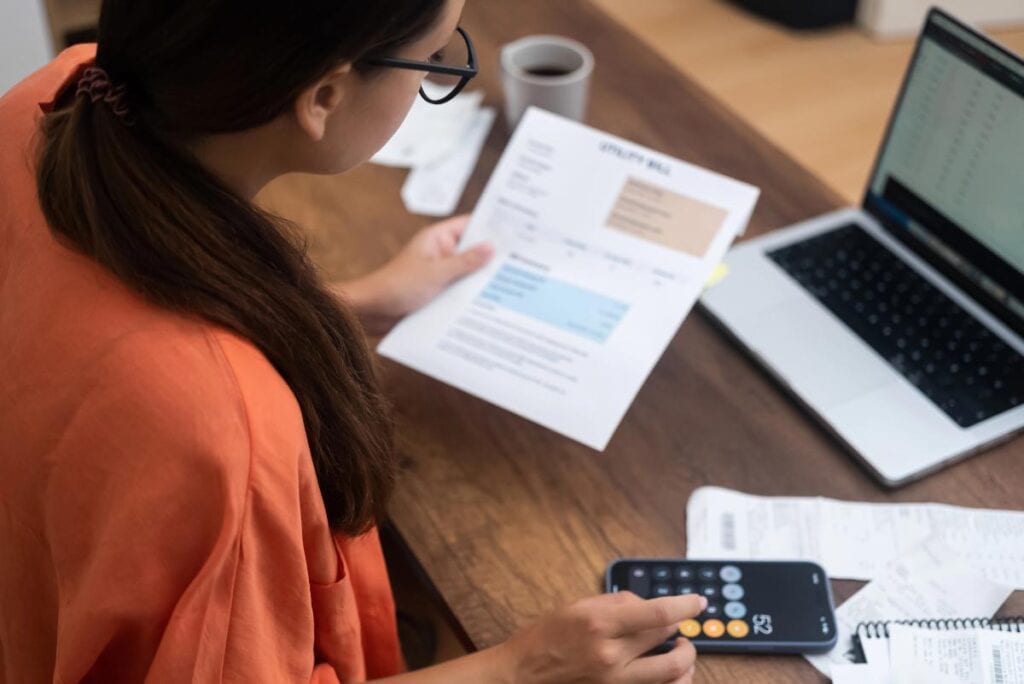
Why Your Utility Bills Are Higher Than They Need to Be
Most homes waste energy in ways homeowners never notice. Drafty windows let heated or cooled air escape continuously. Old appliances consume excessive electricity to perform basic tasks. Water heaters work overtime because of poor insulation. These inefficiencies add up month after month, year after year.
The good news is that targeted upgrades can reverse this pattern. You don’t need to overhaul your entire home at once. Strategic improvements in key areas deliver measurable savings while reducing environmental impact.
Smart Insulation Upgrades That Pay for Themselves
Proper insulation is one of the most cost-effective green upgrades you can make. Many homes, especially older ones, have inadequate insulation in attics, walls, and basements. This forces heating and cooling systems to run longer and work harder.
Adding insulation to your attic is often the easiest place to start. Heat rises, and an under-insulated attic lets warmth escape during winter while allowing heat to penetrate during summer. Modern insulation materials include:
- Spray foam – creates an airtight seal and high R-value
- Blown-in cellulose – made from recycled materials and fills gaps effectively
- Fiberglass batts – affordable option for standard wall cavities
- Rigid foam boards – excellent for basement walls and exterior applications
Don’t overlook your basement and crawl spaces either. Insulating these areas prevents cold air from seeping up through floors during winter months. The result is more consistent temperatures throughout your home and lower energy consumption.
Windows and Doors: Sealing the Leaks
Windows and doors are major sources of energy loss in typical homes. Single-pane windows offer minimal insulation value, while gaps around door frames create constant drafts.
Upgrading to double- or triple-pane windows with low-emissivity coatings makes a substantial difference. These windows have gas fills between panes that act as insulators, keeping your home’s temperature stable regardless of outside conditions. The frames matter too. Vinyl, fiberglass, or wood frames insulate better than aluminum.
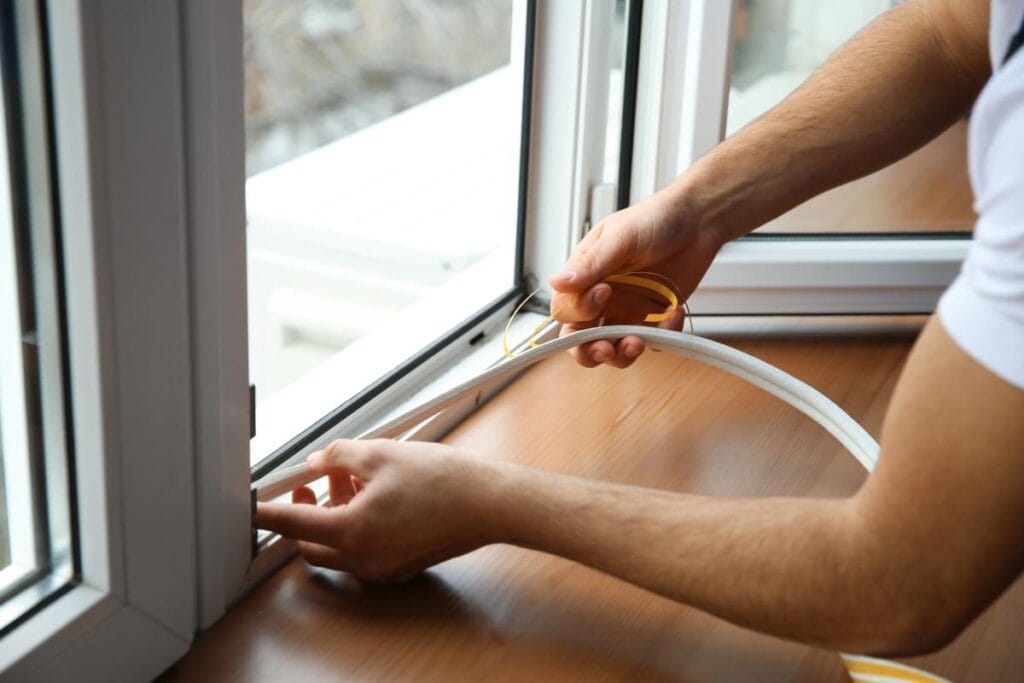
For doors, weather stripping and door sweeps are inexpensive fixes that block drafts immediately. If you’re ready for a bigger investment, insulated steel or fiberglass doors provide security along with energy efficiency.
Energy-Efficient Appliances: The Long-Term Investment
Replacing old appliances with energy-efficient models costs money upfront, but the long-term savings justify the expense. Modern appliances use considerably less electricity and water than models from even ten years ago.
When shopping for new appliances, look for Energy Star certification. This label indicates the appliance meets strict efficiency guidelines. Pay attention to the yellow EnergyGuide labels too, which show estimated annual operating costs for direct comparisons.
Consider upgrading these key appliances:
- Refrigerators – Run continuously, so efficiency matters most. Models over fifteen years old consume several times more electricity than new ones.
- Dishwashers – Modern versions use less water and energy while cleaning better than older models.
- Washing machines – Front-loading machines typically use less water and energy than top-loaders.
- Dryers – Heat pump dryers use significantly less energy than conventional electric models.
Smart Thermostats: Automation That Saves Money
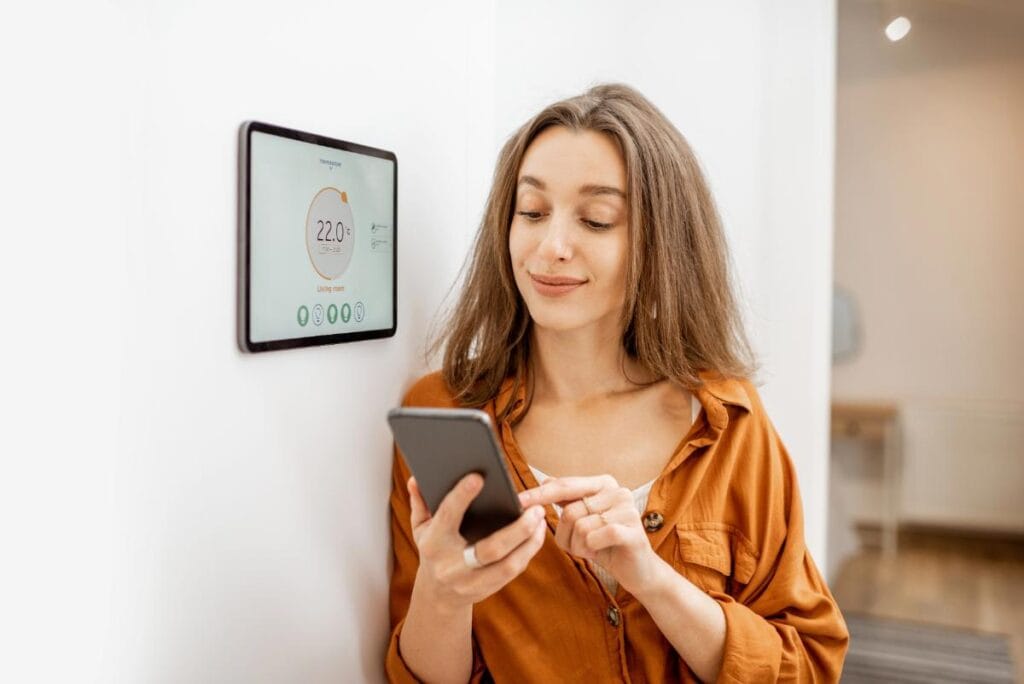
Smart thermostats learn your schedule and preferences, then adjust heating and cooling automatically. You can also control them remotely through smartphone apps, ensuring you’re not heating or cooling an empty home.
These devices track your energy usage and provide insights about consumption patterns. Many utility companies offer rebates on smart thermostats, reducing your initial investment. The programmable features alone can cut heating and cooling costs substantially by optimizing when your HVAC system runs.
Installation is straightforward enough for many homeowners to handle, though professional installation ensures everything works correctly if you’re not comfortable with basic electrical work.
Solar Power: Harnessing Free Energy
Solar panel technology has become more affordable and efficient in recent years. While the initial investment remains significant, solar panels can eliminate or drastically reduce your electricity bills for decades.
Many regions offer tax credits, rebates, and other incentives that offset installation costs. Some utility companies have net metering programs, meaning excess electricity your panels generate goes back to the grid, and you receive credits on your bill.
Beyond financial benefits, upgrading to solar panels also reduces your household’s carbon footprint, contributing to cleaner air and a healthier environment. Solar installations typically increase property values too, making them smart investments even if you plan to sell eventually.
Water Heating Efficiency: A Hidden Money Drain
Water heating makes up a big chunk of home energy use. Traditional tank water heaters maintain a large volume of hot water constantly, consuming energy even when you’re not using hot water.
Tankless water heaters provide hot water on demand without maintaining a storage tank. They heat water only when you turn on a tap, eliminating standby energy loss. Though more expensive initially, tankless systems last longer than traditional heaters and deliver ongoing savings.
Solar water heaters represent another green option, using the sun’s energy to heat water before it reaches your conventional heater. Even on cloudy days, these systems preheat water, reducing the energy your standard heater needs.
Insulating your existing water heater and the first few feet of hot water pipes also helps. Insulation blankets are inexpensive and prevent heat loss during storage and distribution.
LED Lighting: Small Changes, Big Impact
Switching to LED bulbs is perhaps the simplest green upgrade. A typical LED bulb uses about 75% less energy than an incandescent and can last up to 25 times longer.
The initial cost per bulb is higher, but LED bulbs pay for themselves quickly through reduced electricity use and replacement costs. They also generate less heat, which means less work for your air conditioning during warm months.
Consider adding dimmer switches and motion sensors too. Dimmers let you adjust lighting to actual needs rather than always using full brightness. Motion sensors ensure lights turn off automatically in spaces like garages, basements, and closets.
Landscaping for Energy Efficiency
Strategic landscaping provides natural climate control. Deciduous trees planted on the south and west sides of your home create shade during summer, blocking intense afternoon sun. When those trees lose leaves in fall, they allow winter sunlight to warm your home naturally.
Shrubs planted near your home’s foundation provide an insulating buffer against wind. Windbreaks of evergreen trees or tall shrubs on the north side shield your home from cold winter winds.
Green roofs and living walls take this concept further, using vegetation to insulate buildings while managing stormwater runoff. Though more complex to install, they offer cooling benefits in hot climates.
Making Your Green Upgrade Plan
Start by identifying where your home loses the most energy. Many utility companies offer free or subsidized energy audits that pinpoint problem areas. Professional auditors use thermal imaging and other tools to reveal exactly where improvements will deliver maximum return.
Prioritize upgrades based on your budget and the potential savings. Some improvements like LED bulbs and weather stripping require minimal investment. Others like solar panels or new windows need careful financial planning.
Look for available rebates, tax credits, and financing programs. Federal, state, and local governments, along with utility companies, frequently offer incentives for energy-efficient upgrades. These programs can significantly reduce your out-of-pocket costs.
Green home upgrades help you take charge of energy costs. Instead of accepting high bills as inevitable, you take control through strategic improvements that pay dividends month after month while creating a more comfortable, sustainable home.