
A gray, wet afternoon with restless kids can feel like a problem to solve. It can also be an opening. Storm preparation tends to sit on the to-do list until a forecast forces action, and by then everyone is stressed. Doing it ahead of time, with children as helpers, makes the work calmer and teaches useful habits. The sections below explain why involving kids helps, offer a checklist they can take part in, describe safe outdoor jobs, cover why the roof check belongs to a professional, and suggest ways to keep the mood light.
Why Include Children in Storm Prep
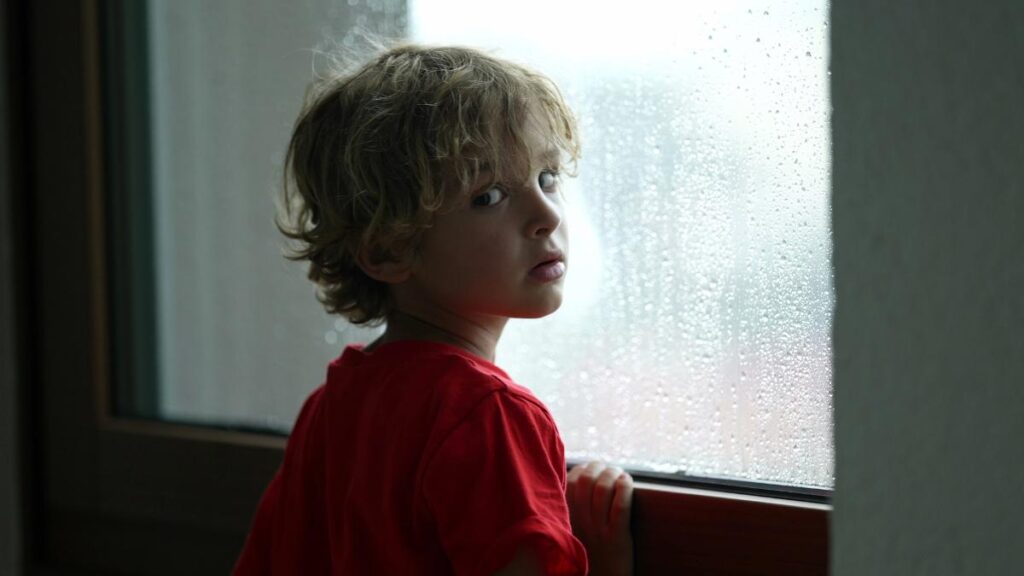
Children notice more than adults assume, and silence about storms can leave their imaginations to fill in the details. Giving them clear, age-appropriate tasks turns fear into participation. A child who has helped pack a flashlight and pick a family meeting place is likely to feel safer when the wind picks up.
Practice also builds memory. Kids who have walked through a plan once are more likely to follow it under stress. Tone matters. Describe storms as events the family is ready for, not as disasters. Explain that adults handle the dangerous parts, while children help with safe, useful jobs. This division sets clear expectations and prevents children from taking risks.
A Checklist Kids Can Help With
Rainy days suit indoor tasks that take an hour or two. Try these projects:
- Build an emergency kit with water, nonperishable snacks, flashlights, batteries, a first-aid kit, and a radio
- Test flashlights and replace batteries, letting children check each one
- Make a family plan with a meeting spot, contact numbers, and an out-of-town contact
- Help photograph rooms and valuables for an insurance inventory, with adults handling the storage
- Pack a small comfort bag for each child with a book, a toy, and a favorite snack
- Create a pet kit with food, medications, a leash, and vaccination records
Older children can write phone numbers on cards for backpacks, and younger ones can decorate labels for bins. Keep documents, medications, and important items in a waterproof container. Review the plan every season, and update it when anything changes in the household.
Safe Outdoor Jobs for Small Helpers
When the rain stops, move to the yard. Children can gather toys, chairs, and loose items that could become projectiles in high wind, and walk the property with a parent to spot hazards such as dead branches, clogged gutters, or standing water. They can check that downspouts direct water away from the house and help clear leaves from drains at ground level.
Anything involving ladders, power tools, or the roof stays with adults. Children can still contribute by looking, from the ground or sidewalk, for missing shingles, sagging lines, or stains, and writing down what they notice. Those observations give a parent something concrete to pass along to a roofing company in Mount Pleasant or another local professional, and the roofing company in Mount Pleasant can then confirm whether anything needs repair. Kids enjoy having a role, and adults gain a second set of eyes.
Leave the Roof Check to a Professional
Climbing a roof is dangerous for anyone without training and equipment. Wet or aging surfaces are slippery, and hidden weak spots can give way. Foot traffic can also crack tiles or loosen shingles. Teach children clearly that the roof is off-limits.
A qualified roofer can inspect for damaged flashing, lifted shingles, worn sealants, and signs of water intrusion, then document the findings with photos. Scheduling an inspection before the season starts avoids the rush that follows a storm forecast. When choosing a roofing company in Mount Pleasant or elsewhere, ask for proof of insurance, references, and a written report. Involve the family in the follow-up by reviewing the findings at the table, which shows children how adults weigh decisions and plan repairs. Keep the report with your insurance papers.
Keeping the Mood Calm and Fun
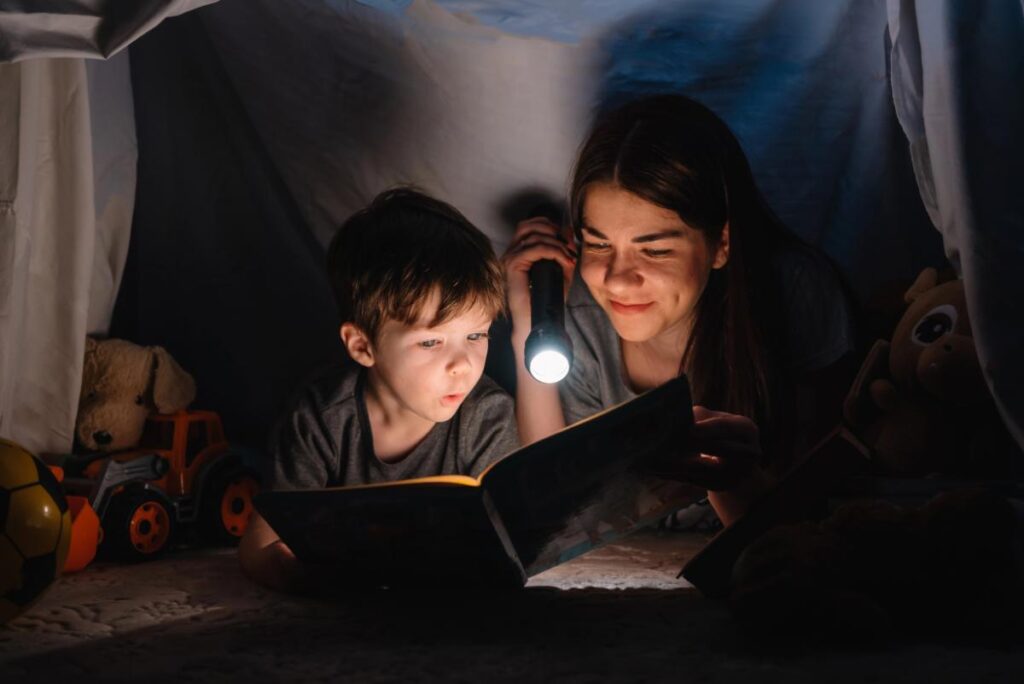
Preparation does not need to be solemn. Turn the kit-building into a scavenger hunt, play a game of finding the safest room, or have a flashlight story night to practice what the house is like during a power outage. Make a snack list together and let kids choose a few favorites for the kit.
Watch for signs of worry, such as repeated questions, sleep trouble, or clinginess, and answer honestly without adding frightening detail. Reassure children that adults have a plan and that many people are working to help during storms. Praise their contributions, since feeling useful is one of the best antidotes to fear.
Key Takeaways
Rainy days offer a natural time to prepare for storms together. Build an emergency kit, practice the family plan, and let children handle safe indoor and ground-level jobs. Keep ladders and roofs strictly for adults and professionals, and schedule an inspection before the season. A calm, hands-on approach leaves the home better prepared and the children more confident.