
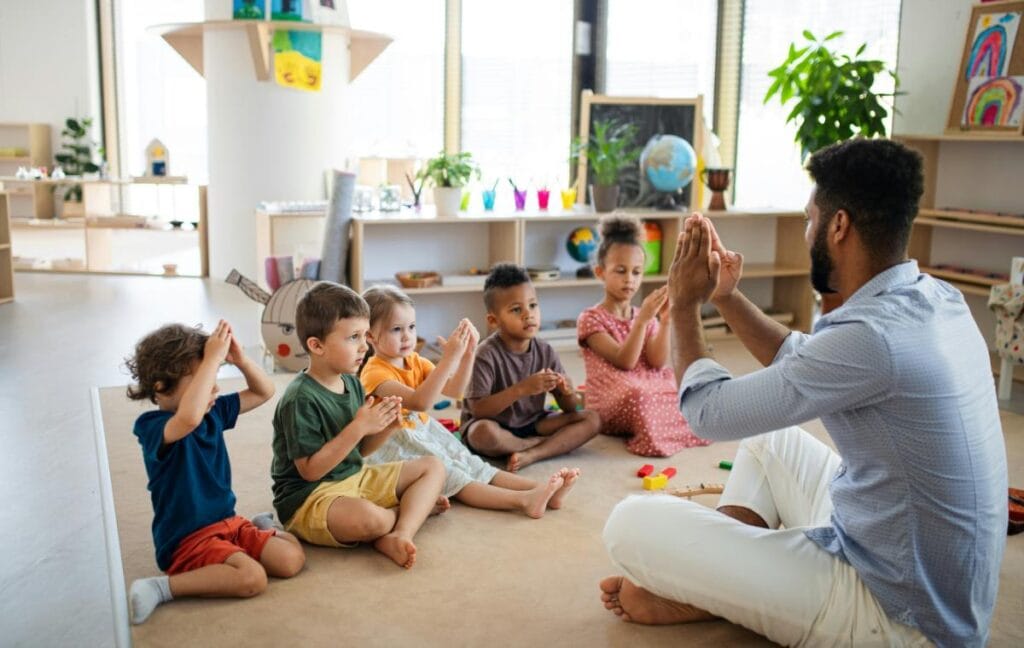
Confidence in young children does not appear out of nowhere. It builds slowly through repeated experiences where a child feels safe enough to try, fail, and try again. The environment where that happens matters more than most parents initially expect. For families in Huntsville, understanding what a well-designed early learning classroom actually looks like can help you make a more informed decision about where your child spends those formative early years.
Why the Physical Space Shapes How Children Feel
When you visit a preschool in Huntsville, pay close attention to how the classroom is organized before you focus on anything else. A room that is cluttered, overly loud, or difficult for children to move through freely can create low-level stress that children carry throughout the day without being able to name it. A well-organized space, on the other hand, signals to a child that this place was built with them in mind.
The layout of a classroom also communicates expectations. When children can access materials on their own, choose where they want to work, and move between activities with some independence, they begin to see themselves as capable. That sense of capability is one of the earliest building blocks of genuine confidence, and it starts with how the room is set up.
How Teacher Interaction Affects a Child’s Self-Image
The physical environment is only part of the picture. The way teachers interact with children inside that space has an equally significant effect on how children see themselves. Teachers who ask open-ended questions, acknowledge effort rather than just results, and respond calmly when a child makes a mistake send a consistent message: you are capable, and mistakes are part of learning.
Children absorb these messages even when they are not consciously processing them. A child who regularly hears “I can see you worked hard on that” instead of only “good job” starts to connect their effort to their outcomes. Over time, that connection builds a more durable kind of confidence than praise alone can produce.
The Role of Routine in Making Children Feel Secure
Predictability might not sound exciting, but for young children, it is foundational. When a child knows what comes next in their day, they spend less mental energy on uncertainty and more on actually engaging with what is in front of them. A consistent daily routine reduces anxiety and gives children a stable platform from which to take small risks.
Taking risks is how confidence grows. A child who feels secure in their environment is more likely to try a new activity, speak up in a group, or persist through something difficult. Without that security, children often stay in their comfort zone,e not because they lack ability but because the environment has not given them enough stability to feel safe stretching.
What Happens When Children Have Real Choices
Giving children meaningful choices throughout the day is one of the most practical ways an early learning environment builds confidence. This does not mean a free-for-all. It means structured opportunities where children decide which activity to start with, which materials to use, or how to approach a problem. Within those boundaries, the child is practicing something important: trusting their own judgment.
When a child makes a choice and sees it lead somewhere, even if the outcome is not perfect, they develop a growing belief in their own ability to act on the world. Programs that understand this build choice into the daily structure intentionally, not as an afterthought, because they know that agency and confidence are directly connected.
Signs of a Confidence-Building Classroom to Look For
When visiting an early learning program in Huntsville, here are specific things worth observing:
- Whether children can access materials independently without always needing adult help
- How teachers respond when a child makes a mistake or gets frustrated
- Whether the classroom has clearly defined areas for different types of activity
- How much choice children have within the daily schedule
- Whether children appear engaged and settled or restless and distracted
These observations give you a real picture of how the environment functions day to day, not just how it looks during a scheduled tour.
Choosing a Classroom That Grows Your Child’s Belief in Themselves
The confidence a child builds in an early learning environment does not stay inside the classroom. It follows them into kindergarten, into social situations, and into every new challenge they face as they grow. These early experiences matter most in shaping a child’s future, which is why the classroom environment deserves close attention. When you choose a program in Huntsville that takes that environment seriously, from the layout and materials to how teachers speak and respond, you are investing in how your child will see themselves for years to come. That return is worth looking at closely before you decide.