
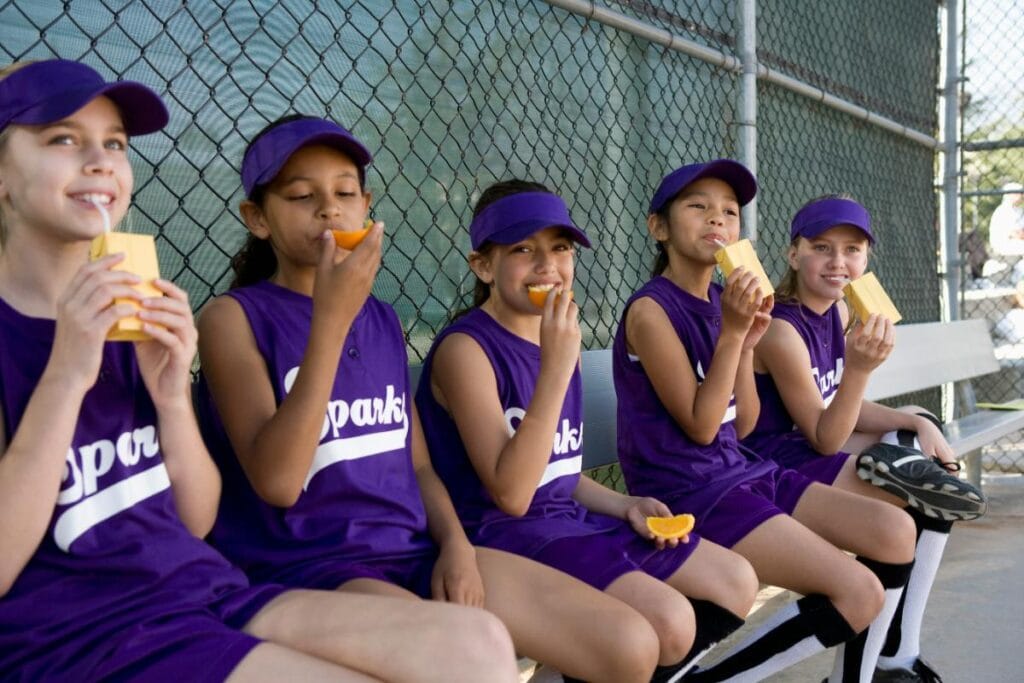
Parenting youth athletes means managing mud, grass stains, and endless laundry loads every single week. Keeping team gear fresh without purchasing expensive replacements mid-season takes consistency. A simple wash routine protects athletic gear from early wear and tear. Smart cleaning habits stretch your family budget and keep your player looking ready for game day.
Investing in Quality Football Uniforms
Youth sports apparel undergoes intense physical wear during weekend practice sessions and league games. Parents often order Custom Football Compression Uniforms to provide young players with supportive base layers that maintain proper fit on the field. High-quality synthetic blends withstand heavy tackling, friction, and constant movement across long athletic seasons. Choosing durable uniforms helps busy families reduce mid-season garment replacements.
Selecting strong performance garments gives young athletes better breathability and freedom of movement during matches. Buying sturdy base layers means fewer emergency trips to sports stores when garments fail unexpectedly. Proper laundering techniques keep these specialized garments snug and comfortable week after week.
Wash Inside Out to Protect Decals and Logos
Printed numbers and team emblems take a pounding inside agitator washing machines. Turn jerseys inside out before washing to protect details like lettering, numbers, and patches. Direct friction against zipper teeth and rough fabrics causes rubberized decals to chip prematurely. Taking 5 extra seconds during laundry prep saves decorative features from severe surface abrasion.
Flipping garments inside out creates a protective shield for vinyl graphic transfers and embroidered team crests. Turning your jersey inside out helps protect printed graphics, embroidered logos, names, and numbers from friction. This basic routine maintains clean aesthetic details and clear colors all season long. Parents can involve young players in turning their gear inside out right after returning from practice.
Cold Water Washing Prevents Shrinking and Fading
Hot water breaks synthetic threads and forces bright uniform dyes to bleed into standard laundry items. Cold water helps retain the uniform’s shape and vibrancy. Always use cold water, as hot water can fade the jersey’s colors, weaken its fibers, and shrink its blend. Running cold cycles protects fabric strength and lowers home monthly utility bills.
Stretch fabrics require cooler wash temperatures to preserve elasticity after intense physical games. Cold water is suitable for everyday sweat and normal soil, reducing heat exposure that can affect stretch recovery. Cold temperature wash settings keep synthetic knits tight without damaging internal spandex fibers. Washing in cold water protects the structural integrity of color-blocked side panels and contrasting piping.
Guarding Elastic Fibers Against Heat Damage
High dryer heat weakens elastic waistbands and ruins technical sweat-wicking synthetic fibers. High temperatures warp the structure that gives compression gear its snug, supportive feel. Hanging garments on indoor drying racks keeps performance apparel flexible and resistant to tearing. Natural airflow dries synthetic fabrics surprisingly fast without harsh mechanical tumbling.
Skipping automated dryers prevents unwanted garment shrinkage across every youth size category. Air-drying helps maintain the core structure of compression fabrics. Placing damp uniforms on plastic hangers overnight maintains original garment shapes effortlessly. This gentle drying method keeps technical athletic apparel springy and durable season after season.
Quick Wash Cycles and Immediate Stain Pre-treatment
Leaving sweaty uniforms inside closed athletic bags encourages sour odor retention and mold growth. Running swift laundry cycles right after weekend matches prevents sweat salts from setting into synthetic knits. Fast action makes stain removal far easier for busy parents managing multiple family schedules.
Keeping wash cycles short, as a 12 to 20 minute cycle is enough for jerseys, protects sheer fibers. Follow these 4 practical laundering steps after every game:
- Soak caked mud spots in cold water directly after returning home.
- Apply liquid detergent straight onto soiled knee and elbow fabric areas.
- Wash technical athletic garments inside zippered mesh laundry bags.
- Skip liquid fabric softeners that clog breathability pores in athletic knits.
Rinsing gear quickly stops deep grass stains from setting permanent marks in light fabrics. Parents save precious weekend time when gear receives immediate attention after final whistles.
Smart Storage Strategies Between Game Days
Organizing sports gear properly prevents deep fabric creases and preserves material strength between matches. Avoid storing damp apparel inside plastic bins or dark closets where trapped air causes musty smells. Hanging clean uniforms on wide padded hangers allows full air circulation across all garments. Proper airflow keeps athletic fabrics fresh for upcoming weekend matches.
Examine every piece of athletic clothing for loose threads or minor seam splits before folding items away. Separating game uniforms from everyday school clothes prevents accidental snagging on zipper teeth or Velcro closures in closets. Catching minor loose threads early stops fabric runs from turning into unfixable tears during competition.
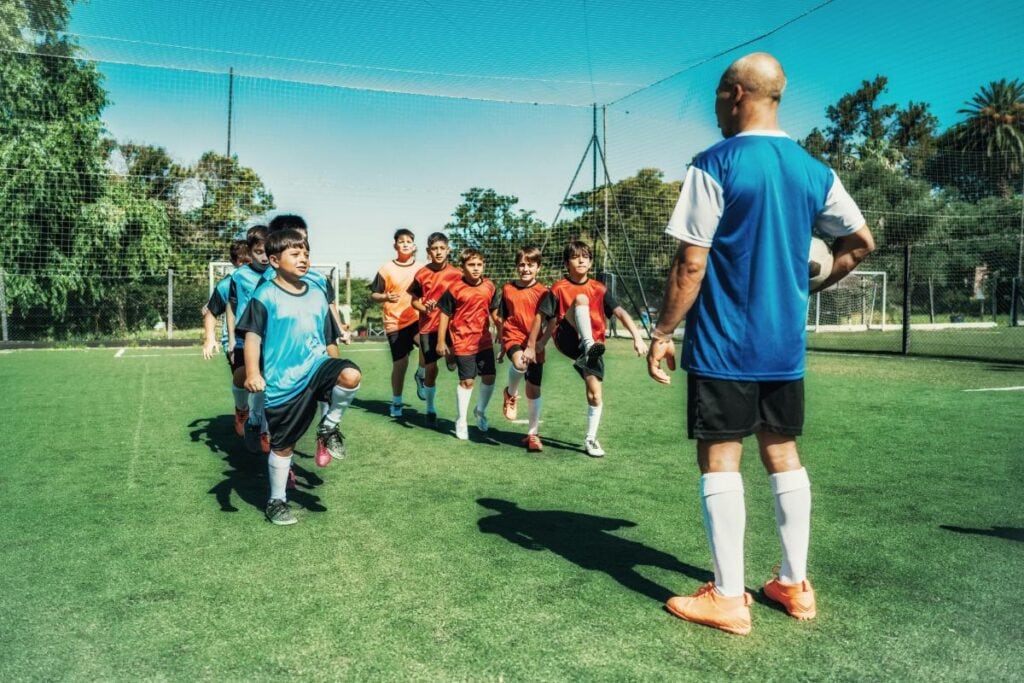
Maintaining sports uniforms does not require expensive cleaning products or hours of scrubbing. Adopting cold water washes, line drying, and quick stain treatment keeps sports gear looking sharp. Your young athlete stays comfortable on the field, and your family budget stays completely protected.