
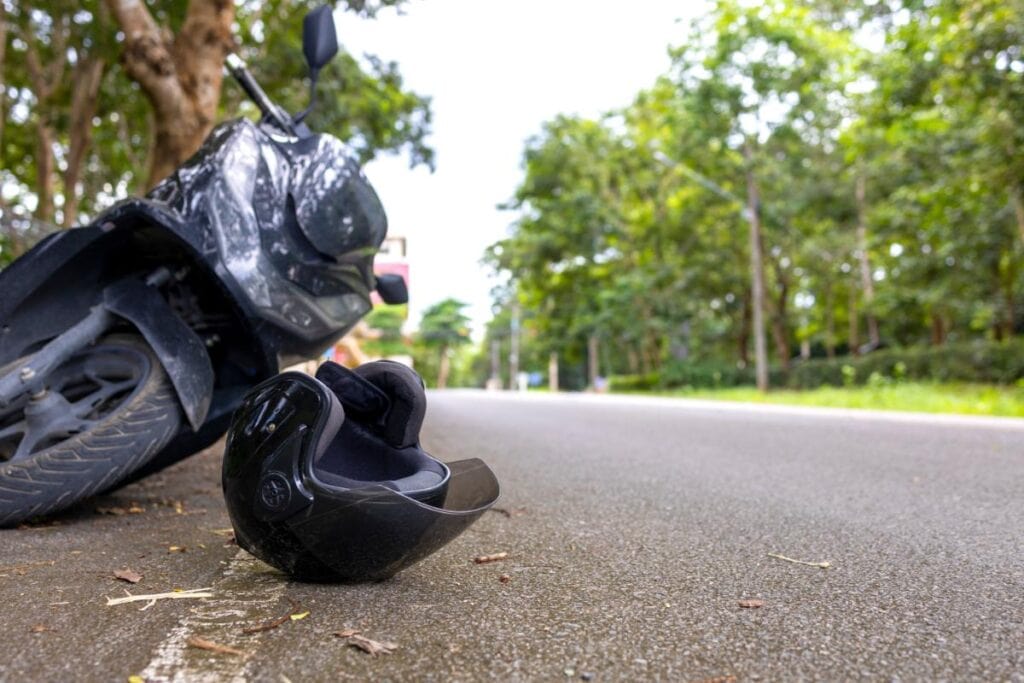
Weather and road conditions contribute to thousands of motorcycle accidents every year. Riders face greater risks than drivers because motorcycles have less stability, less protection, and less traction during dangerous road conditions.
Motorcycle riders may constantly watch for common road dangers situations that can quickly lead to loss of control. Wet pavement, potholes, loose gravel, and poor visibility often create conditions where even experienced riders struggle to react safely.
Unlike passenger vehicles, motorcycles depend heavily on balance and tire grip. Small hazards that may seem minor to a car driver can become life-threatening to a motorcycle rider.
Why Motorcycles Are More Sensitive to Weather Conditions
Motorcycles respond differently to weather and road hazards because they only have two wheels and a much smaller contact area with the pavement. Cars and trucks distribute their weight across four tires, which helps them maintain better balance and traction during difficult driving conditions. Motorcycles, however, depend on precise balance and steady tire grip, which makes them far more vulnerable when roads become wet, damaged, or slippery.
For instance, even a thin layer of water on the road can reduce a motorcycle tire’s ability to grip the pavement properly. This increases the risk of skidding during braking or while turning through curves and intersections. Riders may constantly adjust their speed, steering, and body positioning to compensate for these changing conditions, especially during long rides or sudden weather shifts.
Motorcycles also have shorter wheelbases and lighter frames than passenger vehicles. While this improves maneuverability in some situations, it also makes motorcycles less stable in strong winds, on rough pavement, or on uneven road surfaces.
Why Poor Road Conditions Cause Motorcycle Crashes
Road conditions affect motorcycles much more severely than larger vehicles because motorcycles cannot absorb bumps and uneven surfaces as easily. Hazards such as potholes, cracked pavement, loose gravel, and construction debris can destabilize a motorcycle almost immediately.
Some of the most dangerous road hazards for motorcyclists include:
- Deep potholes that damage tires or suspension
- Loose gravel that reduces tire grip during turns
- Uneven pavement near construction zones
- Standing water that increases hydroplaning risks
- Oil spills and slick intersections
- Debris left on highways or rural roads
A car may safely drive over some of these hazards without losing control, but motorcycles often react much more aggressively to sudden surface changes. For example, hitting a pothole while leaning into a turn can throw a rider completely off balance within seconds.
How Fog and Low Visibility Increase Collision Risks
Fog creates serious visibility problems that increase the likelihood of motorcycle collisions, particularly during early morning travel or nighttime riding. Riders may struggle to see lane markings, approaching traffic, traffic lights, or stalled vehicles ahead.
At the same time, drivers inside larger vehicles may fail to notice motorcycles until it is too late to react safely. Because motorcycles are smaller and less visible than cars, poor weather conditions often make them even harder to detect in traffic.
Low visibility also forces riders to make quick decisions with less time to respond. This increases the chances of rear-end collisions, unsafe lane changes, and sudden braking accidents.
Key Takeaways
- Weather and road conditions greatly increase the risk of motorcycle accidents.
- Poor road maintenance creates dangerous hazards for motorcycles.
- Fog and low visibility reduce reaction time for both riders and drivers.
- Motorcycles are more vulnerable to slippery roads because they rely heavily on balance and tire traction.
- Hazards that may seem minor to passenger vehicles, such as gravel or small potholes, can quickly cause a motorcyclist to lose control.