
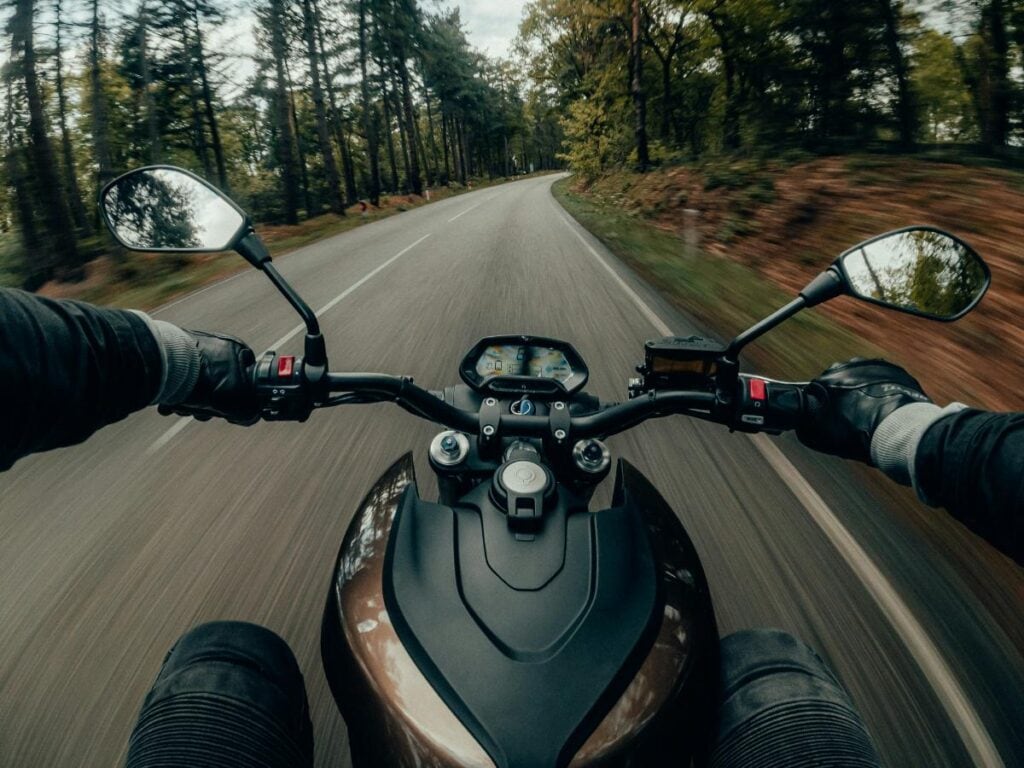
Before you ever twist the throttle on a public road, there are things you need to know. These are things that genuinely determine whether you come home safe. Motorcyclists are far more exposed than drivers in cars, and the margin for error is much smaller. Getting on a bike without the right knowledge and preparation is not a rite of passage. It is a gamble with serious odds.
Understanding motorcycle licensing requirements in your state is the starting point, but it is only one piece of what new riders need to have in place before they hit the road.
What Does Every New Rider Actually Need to Know?
The fundamentals of safe riding come down to four things: understanding how your bike behaves, knowing how to share the road, doing proper checks before every ride, and wearing gear that can protect you when it matters most.
Road Awareness and Defensive Riding
Here is something a lot of new riders do not fully absorb until they are actually out there: drivers in cars often do not see you. Motorcycles are small, and people’s brains are trained to look for larger vehicles. You have to ride, assuming you are invisible to the people around you.
That means staying out of blind spots, keeping a safe following distance, and always scanning ahead for changes in traffic, road conditions, or anything that forces a sudden stop.
Left-turning vehicles are one of the most common causes of motorcycle crashes. Cars misjudge the speed of an oncoming bike and turn directly into its path. Anticipate it. Slow down near intersections even when you have the right of way.
Your Pre-Ride Checklist
Every ride starts before the engine does. A quick inspection before you leave can prevent a mechanical failure from turning into an emergency. Are pressure, brake function, headlights, turn signals, fluid levels; run through all of it before you leave.
Check under the bike for any oil or gas leaking. If you are hauling cargo, make sure it is evenly secured. A lopsided load will throw off how the bike handles, and you will feel it at the worst possible moment. The whole check takes five minutes.
Wearing the Right Gear
Ride dressed for what could go wrong, not just for the weather. A DOT-approved helmet is the most critical piece of gear you own. There are helmet laws across different states in the US, and as a new rider, you would do well to familiarize yourself with yours.
Look for the DOT symbol on the back before you buy. Beyond the helmet, your arms and legs need to be fully covered. Leather and heavy-duty denim both offer real abrasion resistance if you go down.
Your boots should cover your ankles, and gloves protect your hands and give you a better feel for the controls. Bright or reflective clothing makes a real difference in how visible you are to other drivers, particularly after dark.
Gear that feels unnecessary on a warm day is the gear that protects you when something goes wrong on that same warm day.
Key Takeaways
- Get formal training before riding on public roads.
- Ride like no one can see you, because a lot of the time, they genuinely cannot.
- Do a pre-ride inspection every single time: tires, brakes, lights, fluids, and cargo balance.
- A DOT helmet, covered limbs, ankle boots, and gloves are what stand between you and serious road rash or worse.
- Left-turning vehicles are one of the leading causes of motorcycle crashes.
- Slow down at intersections and never assume a driver has seen you.
- Licensing requirements vary by state, but the knowledge and habits that keep you safe do not; they apply everywhere.