
Each session usually targets skills that support daily functioning, emotional regulation, and participation in familiar settings. Progress is rarely dramatic in a single visit. Small gains, repeated often, tend to strengthen speech, play, attention, self-care, and tolerance for change. Clinicians track those responses closely, then adjust prompts, pacing, and reinforcement based on what a child can manage that day. That steady approach keeps treatment practical, measurable, and relevant for families.
Communication Growth
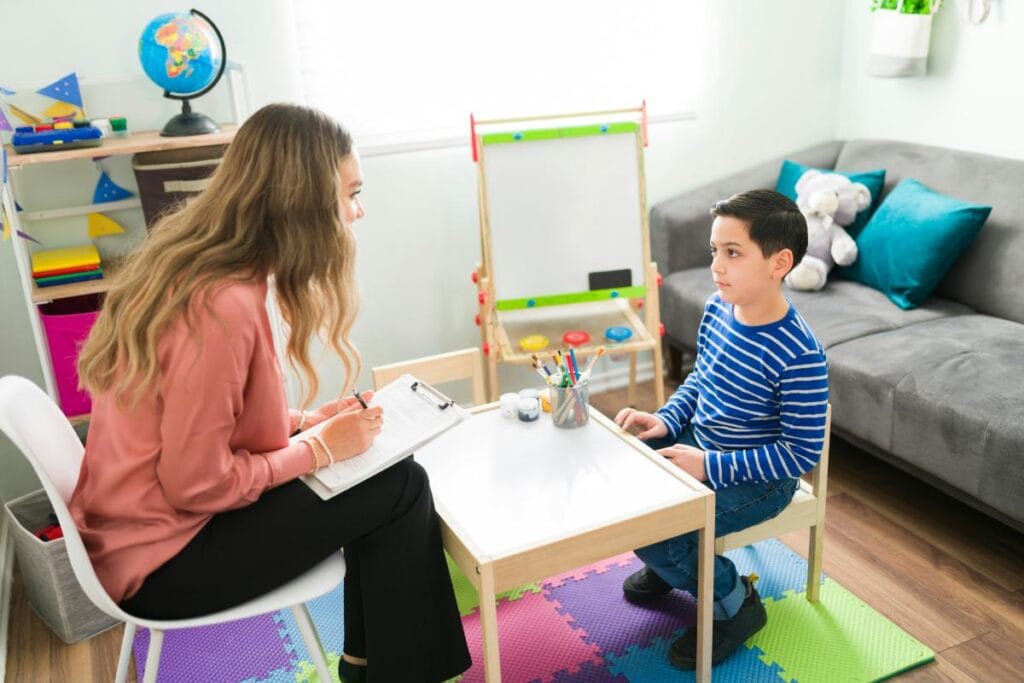
Communication goals often guide the session because language affects behavior, learning, and social comfort. Many families looking into ABA therapy for children in Frankfort want support that helps a child request food, answer simple questions, and signal discomfort before frustration rises. Therapy may target spoken words, gestures, picture exchange, or device use. Stronger expression can lower distress and improve participation during meals, play, school tasks, and community outings.
1. Attention Skills
Attention is a core learning skill, yet it often needs direct practice. One session may target brief seated work, while another builds task switching or visual focus. Therapists observe how long engagement lasts, what factors break concentration, and which supports help restore it. Better sustained attention can improve classroom readiness, listening during routines, and participation in group activities without frequent redirection.
2. Following Directions
Direction-following supports safety, learning, and smoother home routines. Early goals may involve one-step instructions such as sit, come here, or give. Later targets can include short sequences with added language demands. Clinicians measure accuracy, speed, and consistency across activities. As those responses strengthen, children may handle dressing, cleanup, transitions, and teacher requests with less confusion and fewer repeated prompts.
3. Social Interaction
Social growth often starts with simple shared experiences rather than long conversations. A therapist may practice eye gaze, imitation, turn-taking, or joining another person in play. Joint attention matters because it supports learning from people, not just objects. As comfort builds, children can begin to notice facial cues, wait during exchanges, and participate with peers in more flexible ways.
4. Daily Living Skills
Daily living goals focus on practical independence. Sessions may include hand washing, toileting steps, utensil use, dressing, or cleaning up after an activity. These routines affect comfort, hygiene, and confidence every day. Therapists usually break each task into manageable parts, then teach them in order. Repetition across settings helps a child use those actions outside treatment, where they matter most.
5. Reducing Challenging Behavior
Behavior work centers on function, because actions usually communicate a need. A child may be avoiding a demand, seeking sensory input, or asking for attention without effective language. Therapy examines what happens before, during, and after the behavior. Once that pattern is clear, clinicians teach safer replacements such as requesting help, asking for a break, waiting briefly, or accepting a limit.
6. Flexibility With Change
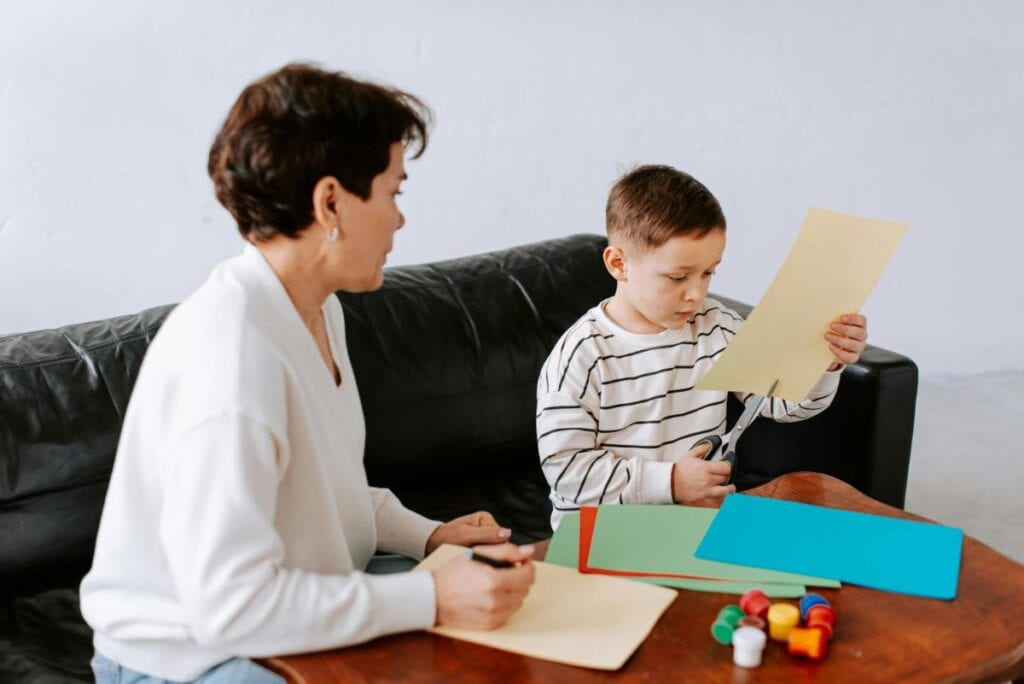
Flexibility is often challenging for children who rely on predictability to stay regulated. Sessions may rehearse waiting, stopping a preferred activity, shifting plans, or accepting a different item than expected. Therapists begin with mild changes and build tolerance slowly. Over time, that practice can reduce distress during school transitions, errands, family routines, and other moments when plans change unexpectedly.
7. Play and Learning Readiness
Play gives clinicians a window into attention, imitation, problem-solving, and shared enjoyment. Therapy may target functional toy use, pretend actions, matching, sorting, or finishing a short adult-led task. Learning readiness also includes sitting for brief periods and using materials as intended. These goals help children participate more fully in preschool, structured group activities, and everyday teaching moments.
9. Family Carryover
Progress tends to hold better when children practice skills outside the therapy room. Many sessions include caregiver observation, coaching, or a brief discussion about what worked that day. Clinicians may model prompts, behavior responses, or visual supports that align with home routines. That shared plan helps adults respond more consistently, which can strengthen generalization and make new skills easier for a child to use naturally.
Conclusion
ABA sessions usually focus on function, because useful skills carry the most value in daily life. Communication, attention, flexibility, self-care, social engagement, and behavior regulation all affect how a child moves through home, school, and community settings. When you define goals clearly and measure them often, you can spot and support progress more easily. That kind of treatment planning helps families see what is changing, why it matters, and what comes next.